
“This is reasonable, provided that what the guidance says is followed in practice.”
Continuous, not one-time.
The United Nations stressed this point in its new guidance on the free, prior and informed consent (FPIC) for business projects affecting Indigenous Peoples territories.
The guidance, issued by the UN Human Rights Council in June, states that governments should seek and obtain FPIC before granting licenses or concessions within ancestral domains. They must also ensure that Indigenous Peoples’ rights are respected, including when decisions need a longer time or a reassessment.
It stresses that consent is “not a one-time event but an ongoing process.” According to the report, Indigenous Peoples have the right to reconsider their decisions if circumstances change, agreed conditions are not fulfilled, or new information emerges about the project’s impact. They may also decline to participate if they believe consultations are not being conducted in good faith or need more time and resources to strengthen their institutions.
The guidance addresses recurring concerns of governments conducting consultations only after having granted key approvals and failure to recognize that consent is “dynamic and iterative in nature.”
These gaps in implementation have “caused conflicts, resulted in harm, and triggered cycles of violence confronting States and businesses with Indigenous Peoples,” the report said.
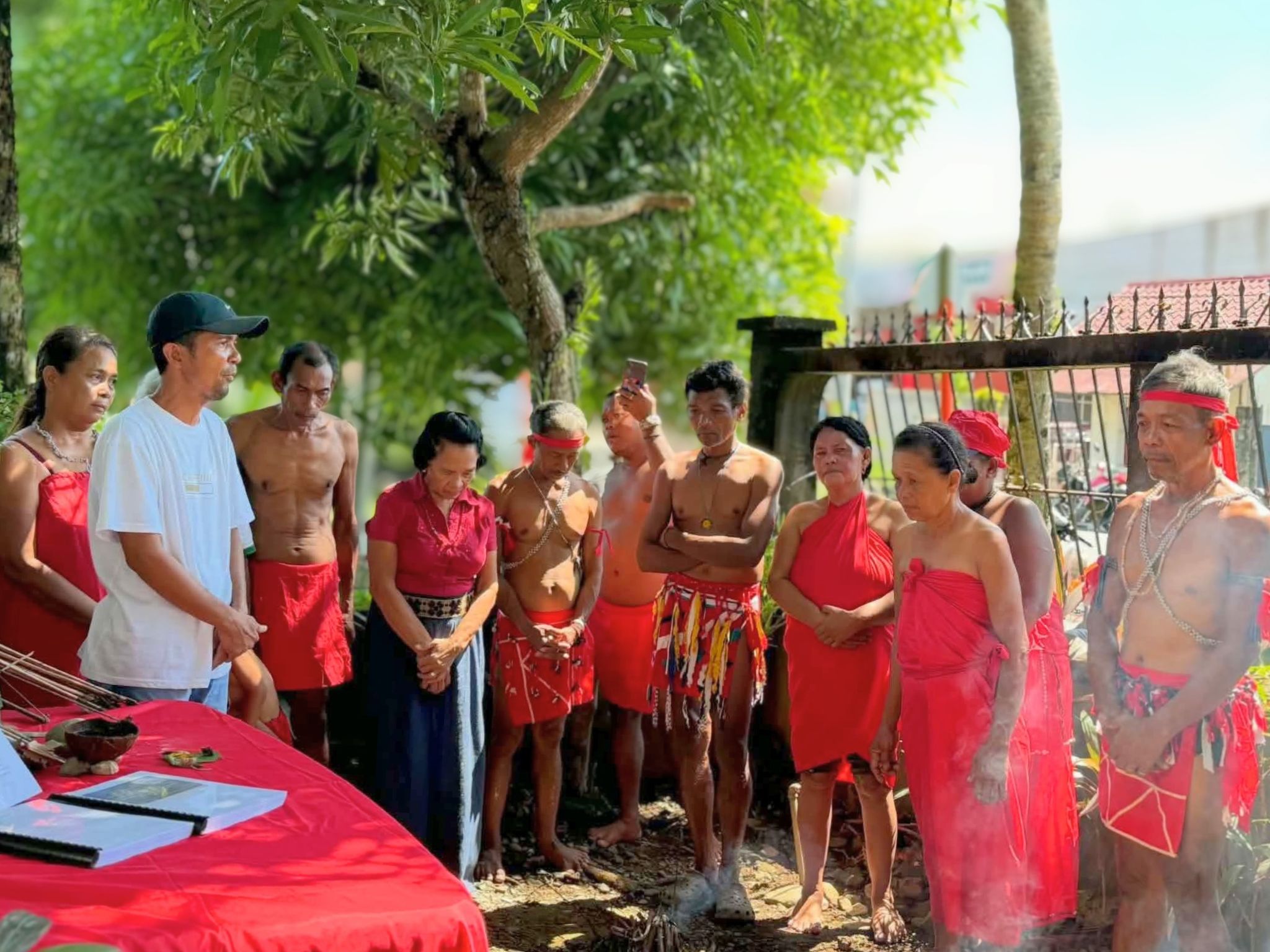
“I believe this is reasonable, provided that what the guidance says is followed in practice.” Marcelino Tena, a Dumagat-Remontado Indigenous leader, said in Filipino in a virtual interview with Bulatlat.
Tena was among those who challenged the consultation process for the Kaliwa Dam project in Quezon and Rizal provinces, arguing that it failed to reflect community opposition and adequately represent their decisions.
The UN guidance came a month after the Philippine National Commission on Indigenous Peoples (NCIP) approved the revised 2012 FPIC guidelines. Recognized under the 1997 Indigenous Peoples Rights Act and the United Nations Declaration on the Rights of Indigenous Peoples (UNDRIP), FPIC is intended to ensure that Indigenous communities can make informed decisions about projects affecting their territories.
The revised guidelines classify projects into Category A, B, and C, with different consent procedures. Categories A and B require FPIC through customary decision-making processes while Category C projects such as community-driven, non-commercial, and many government-funded projects may proceed with a shortened validation instead of the full procedure.
The changes have drawn criticism from human rights advocates, including the Legal Rights and Natural Resources Center (LRC). In a briefer, the non-profit cultural research organization described the 2026 framework a critical departure from the 2012 guidelines, stressing that it “strips away the vital safeguard of community oversight.”
“Characterizing [redacted] projects as Category C merely because they are government-funded and non-commercial fails to account for their actual impacts on Indigenous communities and their ancestral domains,” the LRC said.
The organization warned that compressed timelines could affect meaningful participation, as internal consultations take time and attending meetings often requires days of travel on foot.
In a statement, the Human Rights Watch said that while the declaration is not a binding treaty, the Philippines supported its adoption by the UN General Assembly in 2007.
The NCIP initially acknowledged Bulatlat’s request for comment but has not yet provided a response.
Tena said that his community completed and submitted its Ancestral Domain Sustainable Development and Protection Plan (ADSDPP) to the NCIP in September. The plan guides the protection and governance of their ancestral domain under customary laws. He said that the plan and their certificate of ancestral land domain title (CADT) cannot exist without the other. The community obtained its CADT in 2008 but developing the plan took nearly two decades.
In a Facebook post, Tena acknowledged disagreements during the process which he said were necessary to identify and support the community’s collective will.
The Philippines is among the countries the UN Working Group cited as having laws requiring consultation with IPs. But the report warns that legal recognition alone does not guarantee effective implementation of the FPIC. For companies and investors, the guidance states taht responsibility does not end with complying with national laws, for Indigenous rights should be respected even when communities do not have formal government recognition or land titles. (DAA)
 Save as PDF






0 Comments