How banana plantation puts Bukidnon Lumad into turmoil
The Lumad community used to occupy more than a hectare only of the 2,000 hectares of Sëzukadang. However, they were able to reclaim a total of seven hectares now through reforestation.

ADVERTISEMENT

The Lumad community used to occupy more than a hectare only of the 2,000 hectares of Sëzukadang. However, they were able to reclaim a total of seven hectares now through reforestation.
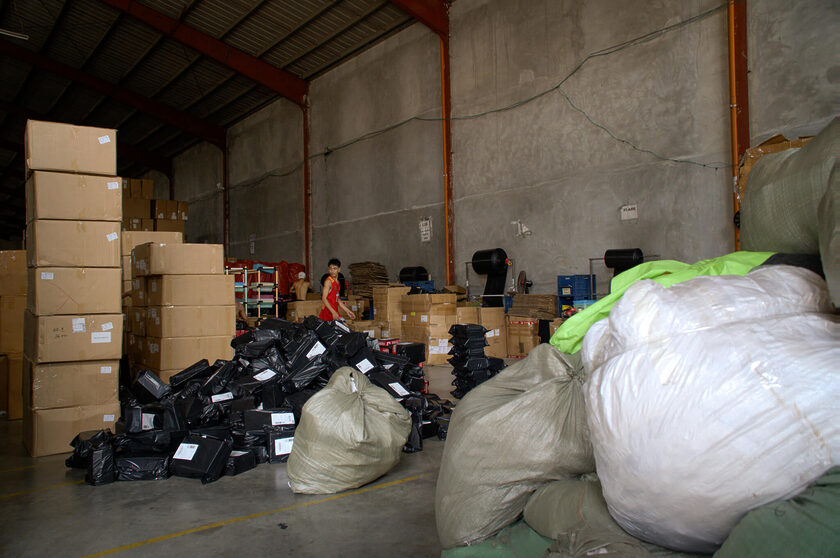
Consumers expect their items to arrive in a snap. But this is not simply because of technology – but because of the women workers’ labor inside those massive warehouses.

"We hope there will be no more mining projects and that these mining companies will leave, because I know that mining is not the only way a community can achieve progress."

"Marcos is at the top, and those at the lower levels cannot be the only ones held accountable."
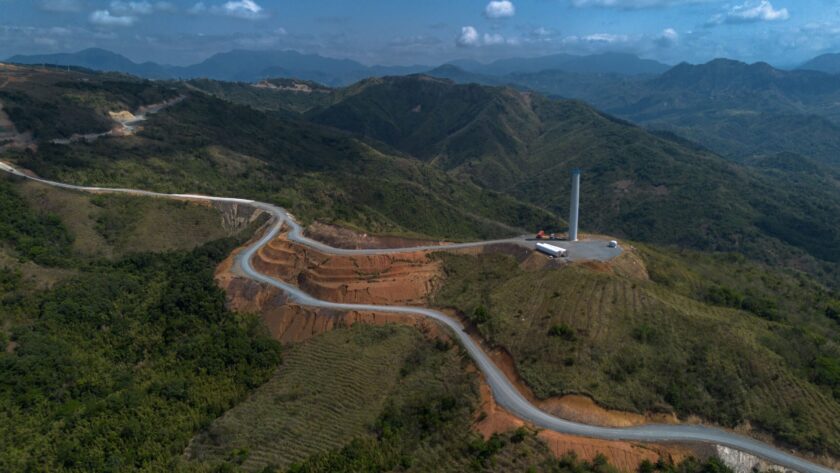
From the island and mountains of Rizal to the watershed of Samar Island, wind energy projects are being built on the forests that protect communities from floods and landslides.

“As researchers and members of alternative media groups, we do not confine ourselves to social media, secondhand, thirdhand information. We do not confine ourselves to desks."

“This success in Dupax del Norte is a success against mining all over the Philippines."

“The more we speak, the more they target us,” Sheerah Escudero, sister of drug war victim Ephraim Escudero, told Bulatlat in Filipino. “Even the dead were not spared. They tell me, ‘How about the victims of drug addicts like your brother?’”

Cordillera’s rich natural resources have attracted local and international companies eager to profit from them. But for the Indigenous Peoples of the region, everything is interconnected. The destruction of their land means the destruction of their life, culture, and identity. Their resistance to so-called development projects has spanned many decades.

After over 70 years of cultivating the land and staying in the community, the members of the Portico Banasi Household Farmers Association (PORBAHFA) and other residents are facing threats of eviction and worries about their livelihood.

On January 4, 2026, Ana Brizuela, 64, was forced to return home in Sitio Portico, Barangay Fabrica, Bula, Camarines Sur from Manila after receiving phone calls that she was among the residents ordered to evacuate their residence by virtue of a local court ruling.

Of the 210 cases, eight media workers were killed under the Marcos Jr. administration as of October this year.

Karapatan stated that these legal victories not only granted freedom and protection to activists, but also emphasized the resistance against abuses and weaponization of counter-terror laws.

The Presidential Communications Office claims that the scandal is nearing its ‘endgame’. However, Bulatlat’s timeline of related activities suggest that the investigation has yet to reach its climax, much less a resolution.

In the view of many affected, the barricades on Nov. 30 were more than concrete and shields, they symbolized a system that protects those who loot public funds, while brutalizing those who demand transparency.

“The political prisoners were the ones who stood in the line of fire against the struggle against corruption and the struggle for justice, freedom and national democracy."

“The recent exposé of the unfinished Mega Health Center Building at Sitio Macanhan, amounting to P65 million worth of public funds, has left us in question: where did our taxes go?”

"We host dams, geothermal plants, and windmills, but we don’t even get electricity. The power is used for industries and businesses, not for our communities."

“These soldiers accused, forced into silence and attempted to detail at will through fabricated evidence and rehearsed witnesses packaged as rebel returnees. And now, they can walk away unaccountable because the state calls it ‘procedure.’”

For Migrante International, the human trafficking cases surfacing in recent months—particularly those involving “scam hubs” in Southeast Asia—are not isolated incidents. They are symptoms of a deeper crisis forcing Filipinos to leave the country in search of work.
A community of readers and supporters that help us sustain our operations through microdonations for as low as $1.