People-centered energy urged amid ASEAN Energy Forum
“Energy transition should be an opportunity to develop our self-sufficiency in manufacturing, engineering, and research."

ADVERTISEMENT
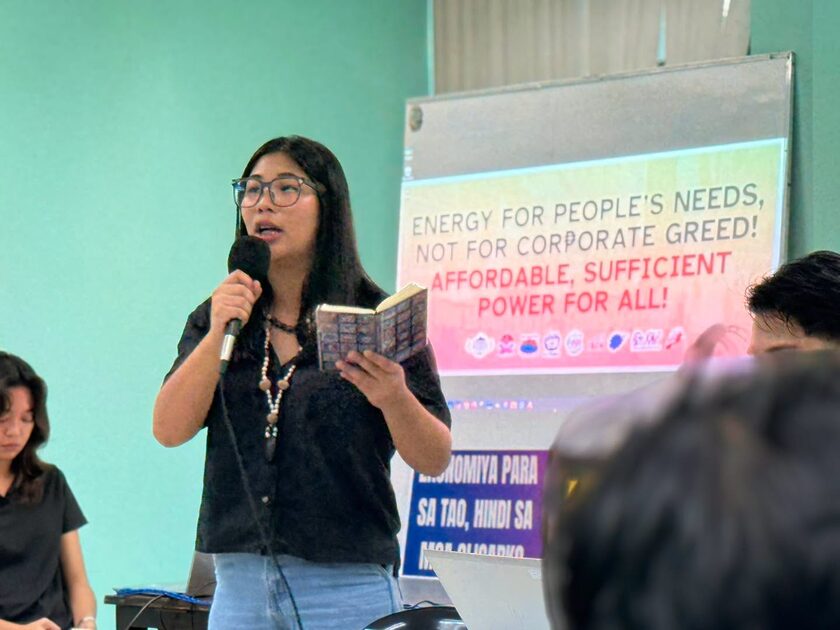
“Energy transition should be an opportunity to develop our self-sufficiency in manufacturing, engineering, and research."
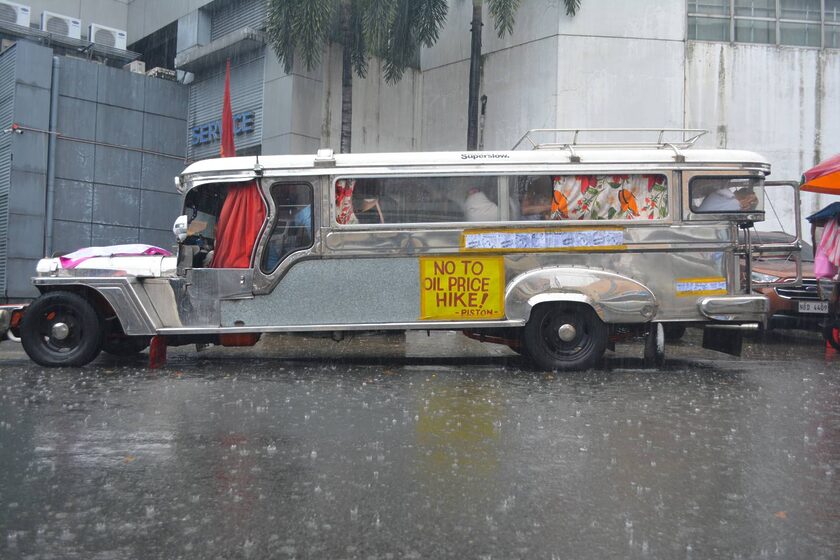
Transportation costs are rising, but household incomes do not necessarily rise at the same pace.
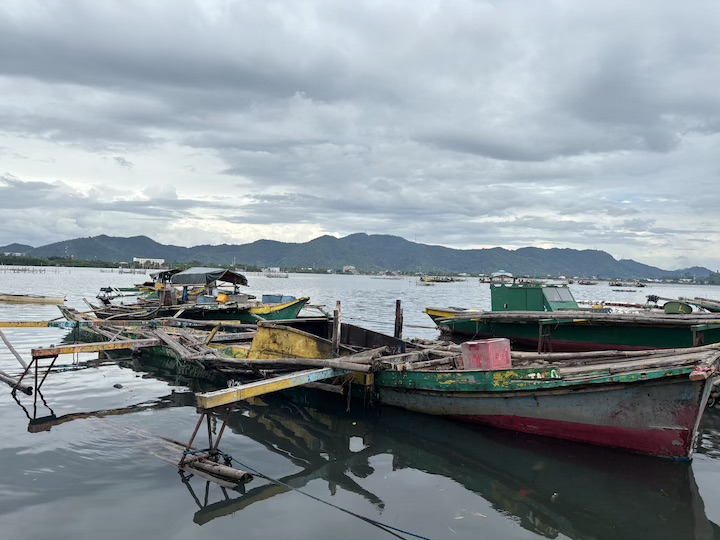
"We are people who have families to feed and not just dogs that you can shoo away."
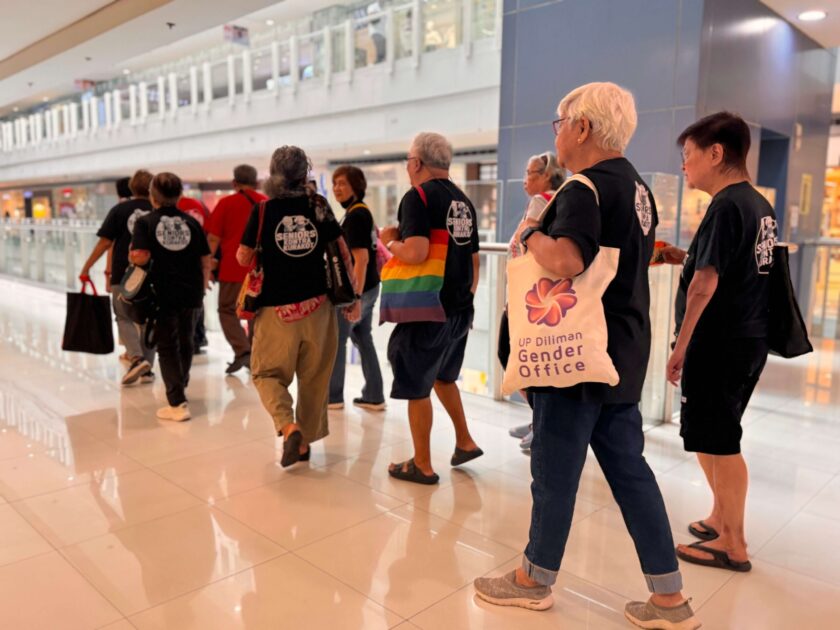
Her experience reflects a fundamental question: Are senior citizens, especially centenarians, actually receiving the support promised to them?
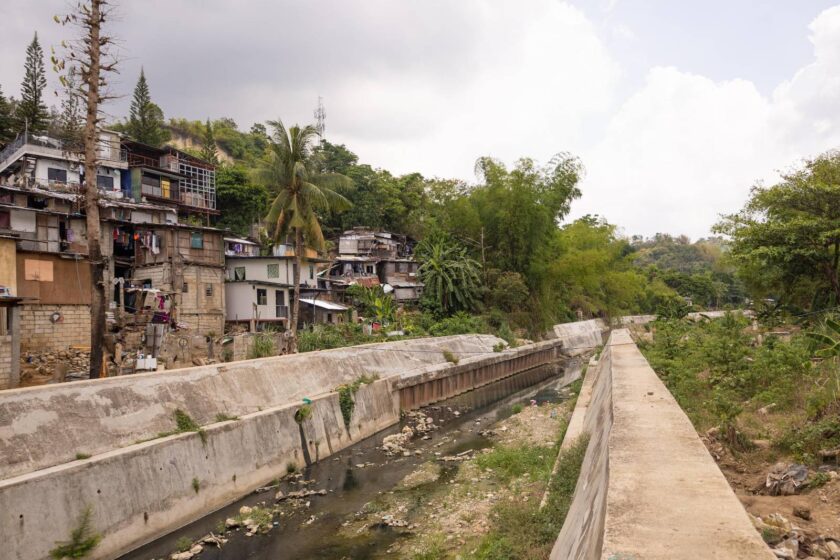
On a larger scale, what the people need are real, tangible, and sustainable solutions, as faith and perseverance alone cannot ensure proper relocation plans or adequate housing materials.
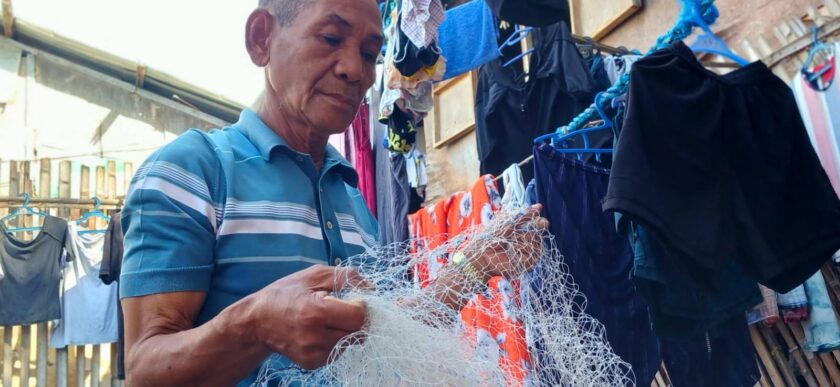
After dinner on the evening of the interview, the couple prepared once again to head to the sea, cast their nets through the night, and sell what they caught at dawn. They will repeat the cycle the next day.

“It [Sugar] comes with the price of blood and exploitation of workers both in the Philippines and the Bay Area.”

Marcos Jr. will likely boast in his next SONA about the administration’s campaign against corruption.

“Congress should investigate why Meralco was not held accountable and how laws could be strengthened to truly defend the rights of the people."
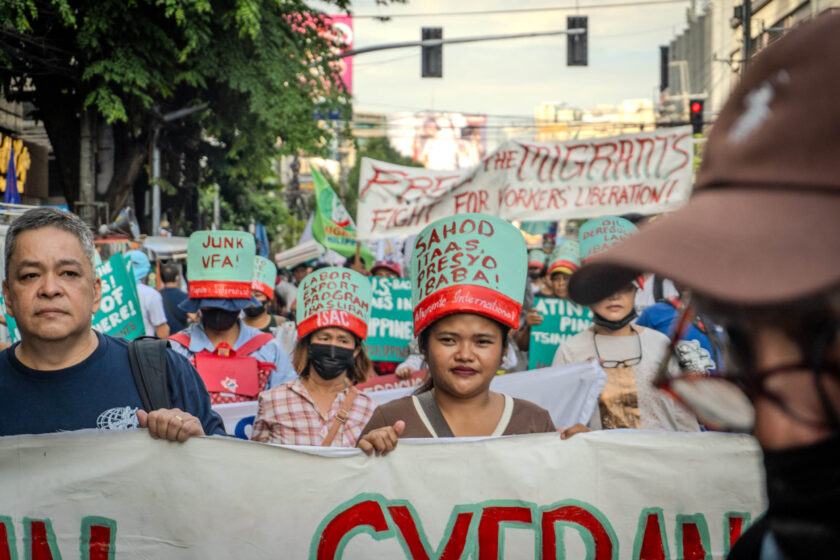
"The NCR minimum wage remains far below the estimated family living wage, which labor advocates say now exceeds P1,300 a day."
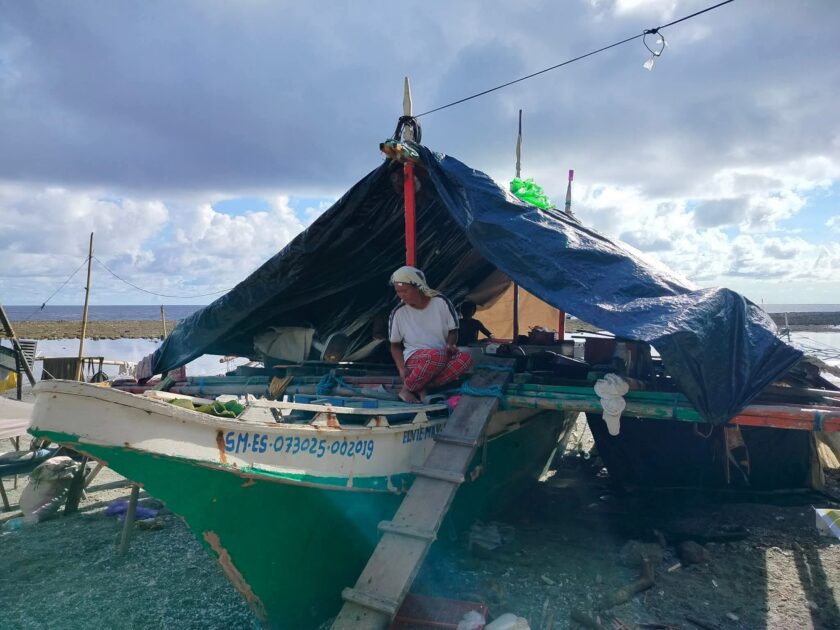
Beyond shelter, livelihoods remain uncertain. In their community, the coast has been elevated, disrupting fishing grounds.
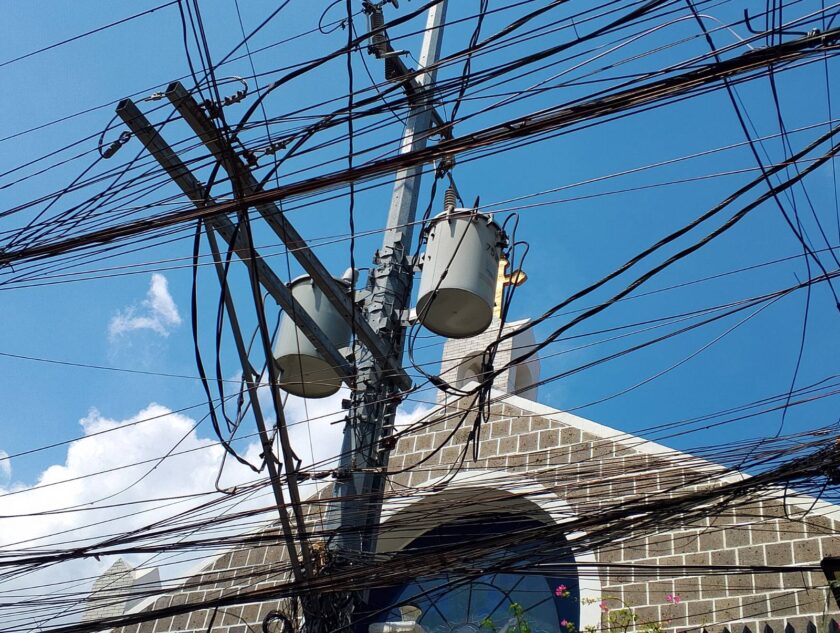
For Advocates of Science and Technology for the People (AGHAM), the Electric Power Industry Reform Act (EPIRA) is to blame for the unsteady supply of electricity and expensive power rates.

The fisherfolk have been experiencing income loss for more than three months.
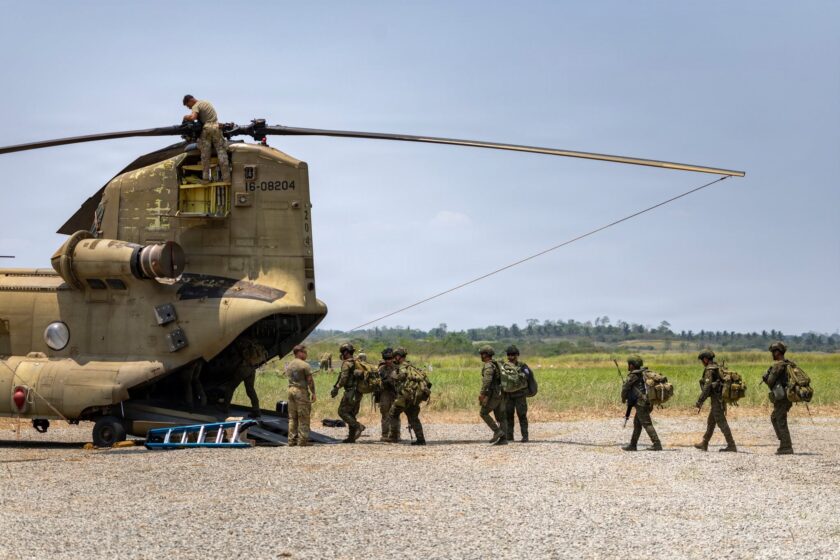
"The people were forced to leave their homes and livelihoods to accommodate military operations that do not serve their interests."

“Small fishers especially are going hungry.”

Pamalakaya urged the Department of Agriculture to immediately mobilize their calamity assistance fund to provide economic aid to small-scale fisherfolk struggling from the impacts of Habagat.

By adhering to a policy of non-interference, the State has failed in its "duty to fulfill" its international human rights obligations. The presence of legislative provisions to reduce fuel prices is a clear indication of the State's failure being one of choice, not of power.
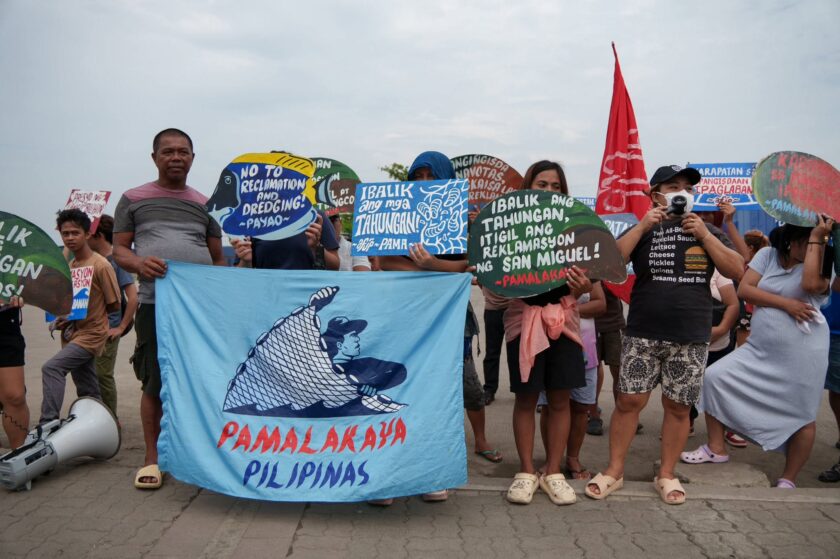
Pamalakaya said there are several reclamation projects that continue to move forward despite the government’s announced suspension on reclamation activities in 2023.
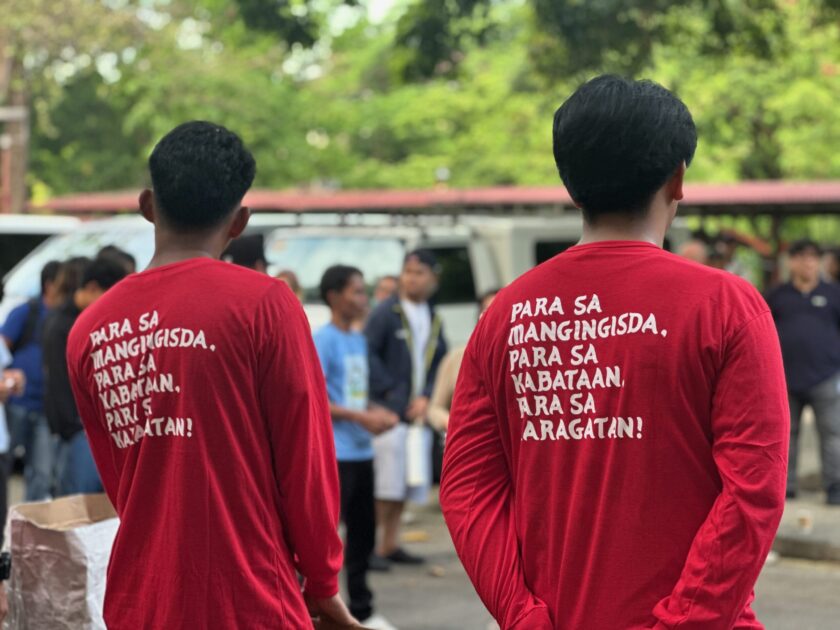
“What matters is making sure local communities get their rightful share and that our seas continue to provide, not just for today, but for the years ahead.”

"We are not ignorant of the sinister agenda of the US in funding the rehabilitation and ultimate transformation of the SPIA."
A community of readers and supporters that help us sustain our operations through microdonations for as low as $1.