
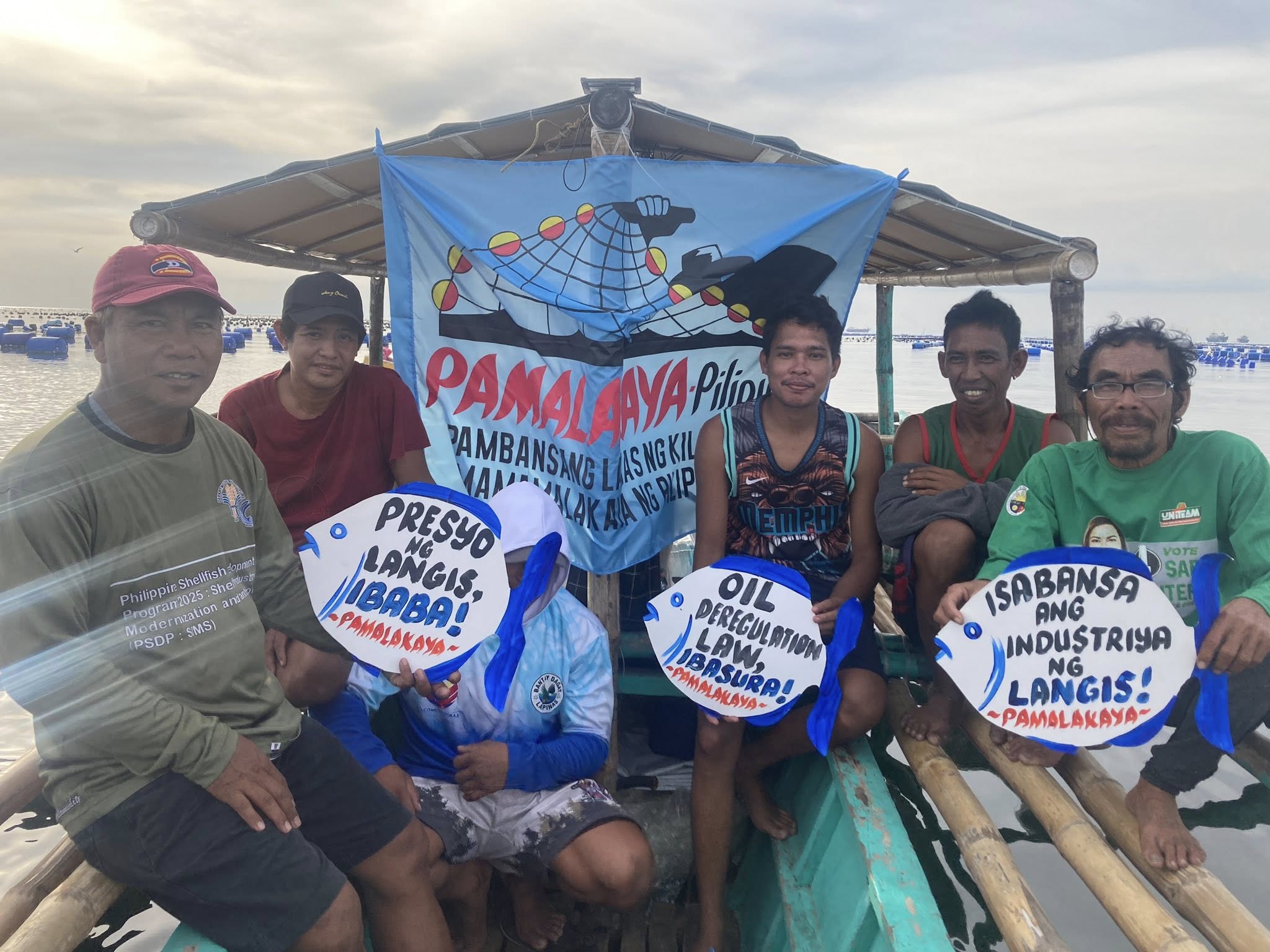
The fisherfolk have been experiencing income loss for more than three months.
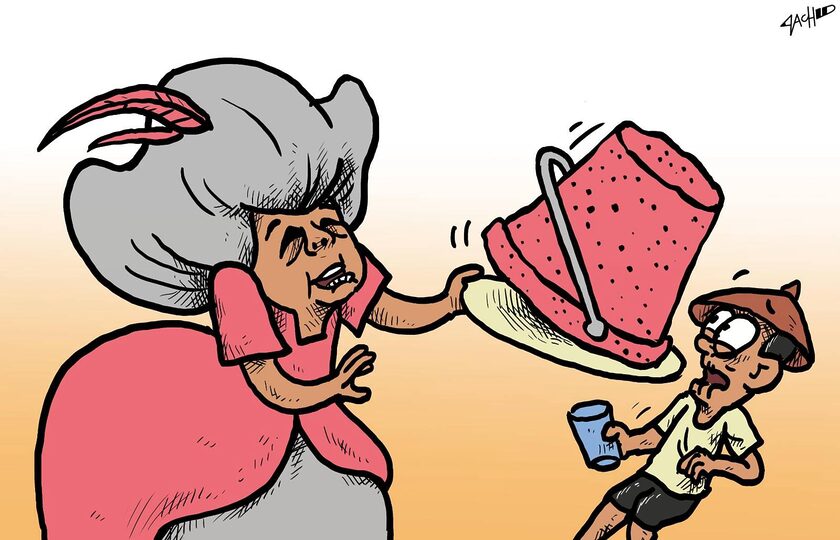
MANILA — Despite a series of oil price rollbacks and the signed interim peace deal between the United States and Iran, fuel products remain unaffordable to small fisherfolk.
In a statement, the Pambansang Lakas ng Kilusang Mamamalakaya ng Pilipinas (Pamalakaya) said that the P75 to P80 per liter ($1.20-1.30) of crude oil is still expensive for small-scale fishers. Because of this, the fisherfolk have been experiencing income loss for more than three months and still expect to experience losses in the next months if the oil price does not roll back to the same as before.
According to Rodrigo Laudit, a fisher from Las Piñas City, only a few of them were given a P3,000 ($50) government fuel subsidy. He said that the majority of the Manila Bay fishers did not receive it.
In an earlier report of Bulatlat, the Department of Agriculture (DA) told the Senate that around 15,000 fisherfolk who own motorized boats will get a subsidy. However, there are more than 2.7 million fishers registered nationwide.
“The tension in the Middle East is about to end but there is still no progress in the distribution of government aid,” Pamalakaya said. The group demanded the removal of fuel taxes twhich add up to P20 per liter on petroleum products.
Climate impact
In Panay, Iloilo, more than 180,000 fisherfolk are suffering from the impact of the southwest monsoon or Habagat while also bracing for the El Niño phenomenon.
Pamalakaya-Panay chapter said that the overlapping weather and climate phenomenon “will bring devastating impact” on the livelihood of small fisherfolk and coastal residents in the island’s four provinces.
“It is unusual for the southwest monsoon (Habagat) and El Niño to occur simultaneously. El Niño is expected to intensify the rainfall brought by the Habagat,” Nathaniel Bagaut, Pamalakaya-Panay spokesperson, said in a statement.
Bagaut said that this could have a more devastating impact on fishing communities and make conditions at sea more dangerous. He said that for more than four months, many fisherfolk are living with uncertainty, especially those whose livelihood depends on the sea.
The southwest monsoon or Habagat is also known in coastal communities as sigwada. The southwest monsoon season forces small-scale fisherfolk to suspend fishing activities due to unusually large waves and strong winds, conditions that typically persist from June to September.
Pamalakaya urged the DA to use its calamity assistance fund to mitigate the impact of the southwest monsoon on the fishing sector. The group warned that the southwest monsoon might affect the fisheries production in the second half of the year.
“Fish production is certain to continue declining this year due to a series of crises. Fisherfolk livelihoods were first hit by the surge in fuel prices earlier this year, and now they are facing natural calamities compounded by government neglect,” Fernando Hicap, Pamalakaya national chairperson said in a statement.
He stressed that the government has not taken any concrete action to assist fisherfolk affected by these crises and natural disasters. (With reports from Anne Marxze D. Umi) (DAA)
 Save as PDF




0 Comments