
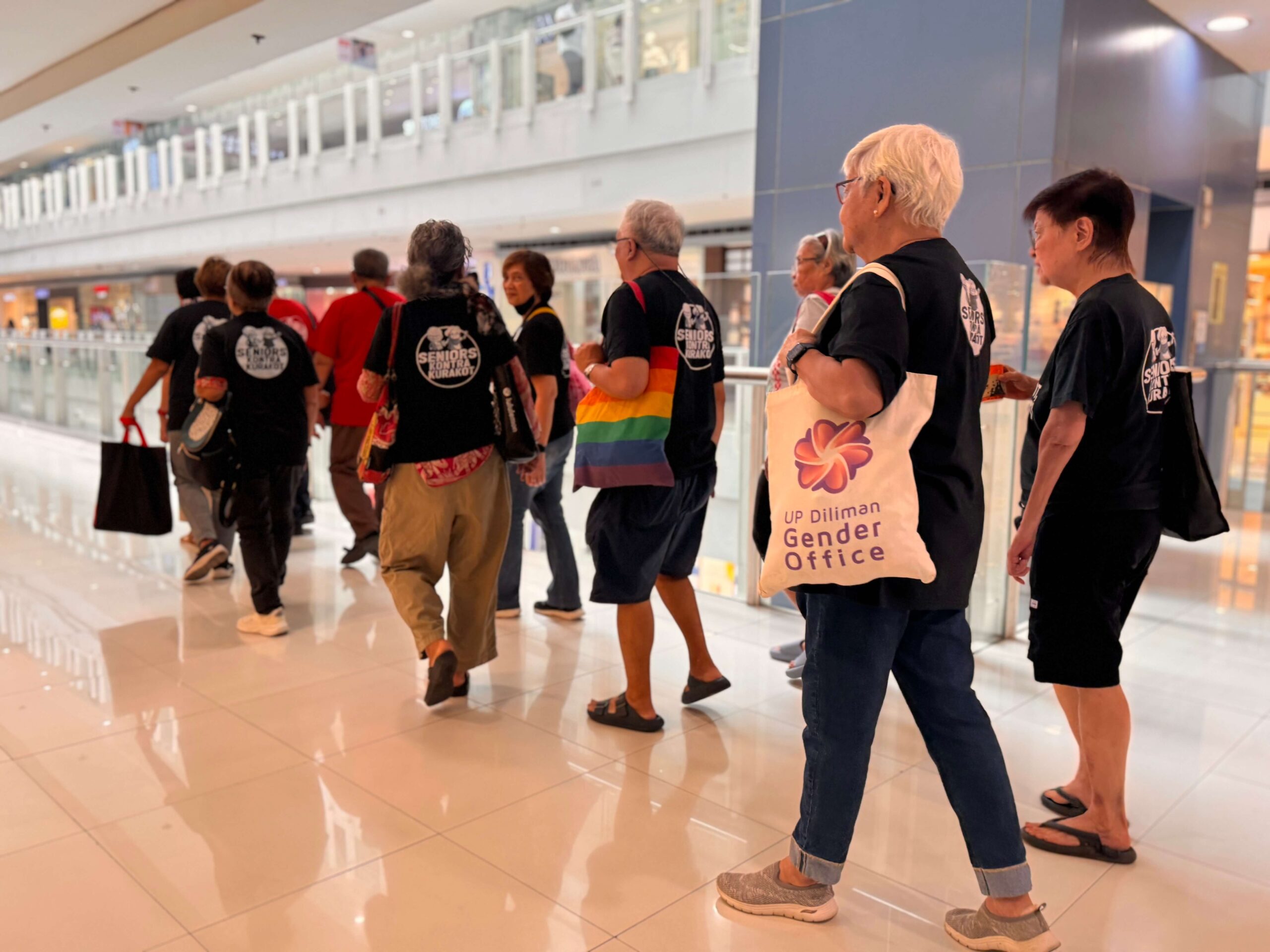
Her experience reflects a fundamental question: Are senior citizens, especially centenarians, actually receiving the support promised to them?
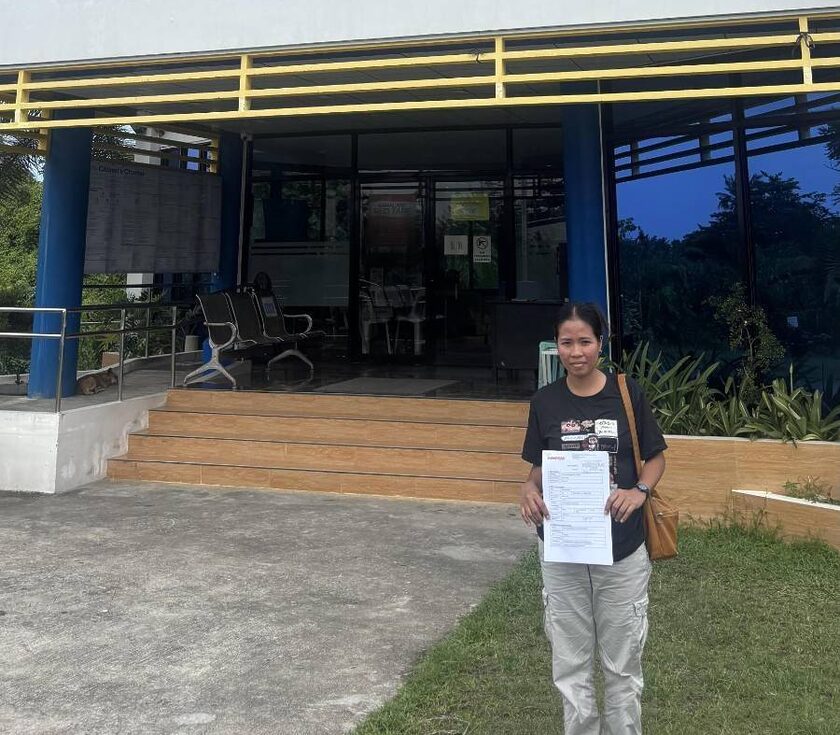
MANILA – Nita Gonzaga, 85, thought all she had to do was wait.
The labor leader from San Andres, Manila had already submitted everything required for the government’s cash incentive for older Filipinos including her birth certificate, a valid ID and a photograph. No medical records. No income certification. The barangay officials handling the process are also senior citizens who know the community well which should hasten the process.
She said that barangay officials collected the documents months ago. But up to now, she has not received the P10,000 (US$164.46) cash gift promised under Republic Act No. 11982 (Expanded Centenarians Act). In fact, she said that none of the members of their senior citizens’ association in Barangay 738 had received this benefit.
Her experience reflects a fundamental question: Are senior citizens, especially centenarians, actually receiving the support promised to them?
For the past three decades, Congress has enacted measures expanding benefits for older Filipinos. Republic Act No. 9994 (Expanded Senior Citizens Act of 2010) grants senior citizens discounts and tax exemptions on medicines, healthcare, transportation and other essential goods and services. Meanwhile, Republic Act No. 10645 signed into law in November 2014 automatically enrolls all senior citizens in PhilHealth.
Approved in July 2022, Republic Act No. 11916 increased the monthly social pension for indigent senior citizens from P500 to P1,000 ($8.23 to $16.46). And more recently, Republic Act No. 11982 approved in February 2024 expanded government recognition of centenarians by providing P10,000 ($ 164.61) cash gifts to Filipinos upon reaching ages 80, 85, 90 and 95, while retaining the P100,000 ($1,464.09) incentive for those who reach 100 years old.
The expansion of these programs comes as the country’s elderly population continues to increase.
The Philippine Statistics Authority’s 2024 Census of Population reported that the country had 11.42 million senior citizens, representing 10.2 percent of the household population. During roughly the same period, for the May 2022 elections, the Commission on Elections (Comelec) reported about 11.47 million registered senior citizen voters.
According to the Department of Social Welfare and Development (DSWD), around 4.1 million indigent senior citizens were receiving the Social Pension Program. For its part, the National Commission of Senior Citizens (NCSC) announced that 9.454 million had registered to receive their social benefits. Approximately 75,922 beneficiaries are under the Expanded Centenarians Act.
The PSA estimates the total senior citizen population, Comelec counts registered senior voters, the DSWD tracks social pension beneficiaries, and the NCSC monitors recipients of longevity incentives. These data point to a longstanding challenge raised by advocates and researchers that government agencies continue to maintain fragmented records of older Filipinos.
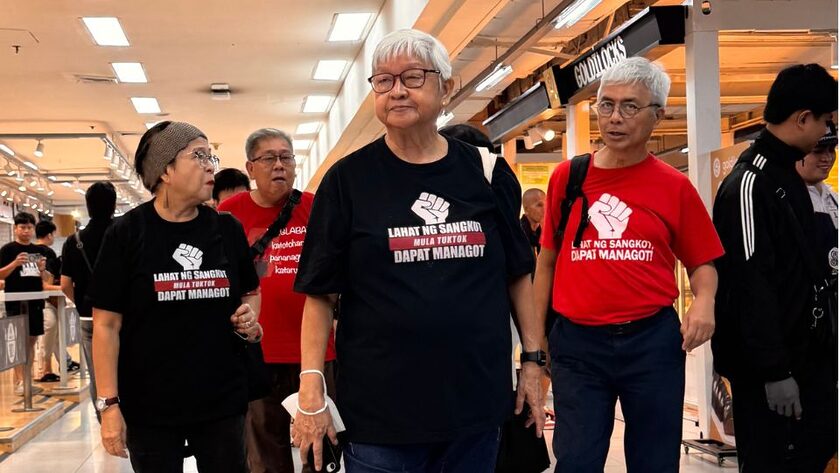
Judy Taguiwalo, a former DSWD secretary who also taught at the University of the Philippines, said that fragmented data have been the government’s persistent weakness. “Penetration ay isang problema. Ang veracity na information regarding the status of senior citizens,” she said. (Penetration is a problem. And the veracity of information regarding the status of senior citizens.)
She said that the separate databases maintained by local government units, DSWD, NCSC, and other agencies create inconsistencies that can lead to inclusion and exclusion errors in government programs. Some senior citizens appear in one database but not another while others experience delays because records have yet to be validated.
Republic Act No. 11982 attempted to address this problem. Aside from expanding cash gifts for milestone birthdays, the law directed the NCSC to establish an Elderly Data Management System in coordination with the Philippine Statistics Authority, DSWD, Department of Information and Communications Technology (DICT), and local government units. The system was intended to maintain an integrated database of older persons and beneficiaries, thus improving coordination among agencies and facilitating the implementation of programs. However, the different government statistics indicate that creating a cohesive national overview of the country’s senior citizens is still an ongoing effort.
The NCSC has already begun implementing the Elderly Data Management System through a nationwide registration portal and Digital National Senior Citizens ID. However, it is still unclear as to what extent the system has been integrated with the databases of other government agencies. Agencies continue to maintain separate records for population estimates, social pension beneficiaries, voter registration, and other programs.
Beyond data management
For Taguiwalo, however, the problem extends beyond data management.
She also raised a concern about institutional continuity at the top. The NCSC is the lead agency implementing the Expanded Centenarians Act and is now chaired by Merceditas Gutierrez who previously served as Ombudsman from 2005 and was impeached in 2011 for betrayal of public trust due to her inaction on corruption cases such as the NBN-ZTE deal and the fertilizer fund scam. She also served as Justice Secretary under then President Gloria Macapagal-Arroyo. In October 2025, President Ferdinand Marcos Jr. appointed her NCSC chairperson.
Around the same period, oversight of the commission itself shifted. Through Executive Order No. 96, signed by Marcos, Jr. on September 18, 2025, NCSC was transferred from the Office of the President to the DSWD’s supervision and will remain in charge of implementing the social pension program itself though the NCSC may now assist in that implementation.
While she welcomed the expansion of benefits through recent legislation, she said that implementation has not kept pace with the realities of an aging population. She stressed that the P1,000 ($16.46) monthly social pension is no longer enough to cope with rising prices and excludes many older Filipinos who receive only minimal pensions from the Social Security System or the Government Service Insurance System because the program is limited to indigent senior citizens without regular pension income. She recalled discussions during congressional budget hearings indicating that around one million qualified senior citizens were still waiting to be included in the program because of funding constraints.
Taguiwalo said that the government should slowly move toward a universal social pension, increase the monthly benefit to P2,000 ($32.92), and drop the rule disqualifying seniors who have any pension, however small. According to her, the current targeted approach creates unnecessary administrative burdens, encourages patronage, and omits many elderly Filipinos who remain financially vulnerable despite receiving small pensions.
She said that similar implementation issues affect the Expanded Centenarians Act.
Applicants submit their documents to their local Office for Senior Citizens Affairs or local social welfare office, after which the applications undergo local verification before being endorsed to the NCSC’s regional and central offices for validation. Only after these steps does the NCSC coordinate with local governments for the release of cash gifts. Taguiwalo said that this multi-level process often results in waiting periods of three to six months for applicants.
For many elderly Filipinos, those delays are more than an inconvenience.
Taguiwalo said that she has met senior citizens who worry they will die before receiving benefits they have already qualified for. She urged the government to streamline processing so that assistance reaches beneficiaries while they are still able to use it.
Beyond pensions and cash assistance, Taguiwalo also called on the government to prepare for challenges that existing laws have yet to fully address. As more Filipinos live longer and families become smaller, she said that the country needs affordable residential care facilities for senior citizens who can no longer live independently because of illness, disability or dementia. Private institutions remain beyond the reach of many families while government-run facilities have limited capacity.
For Gonzaga, however, the issue remains much simpler. She still waits for her P10,000 cash gift, hoping that she would still be alive when it finally arrives. (AMU, DAA)
 Save as PDF





0 Comments