
“Student voices should not only be heard. They should also be considered in policy reviews.”
CALAMBA CITY, Laguna — A proposed ?180-million budget cut to the Laguna State Polytechnic University (LSPU) has deepened concerns among students over deteriorating facilities, shrinking learning spaces, and a growing climate of fear amid military-led forums linking activism to armed insurgency.
A student who requested anonymity said that the looming reduction in funding could worsen the university’s problems. “There are still unfinished buildings, inadequate classrooms, and safety concerns inside the campus.”
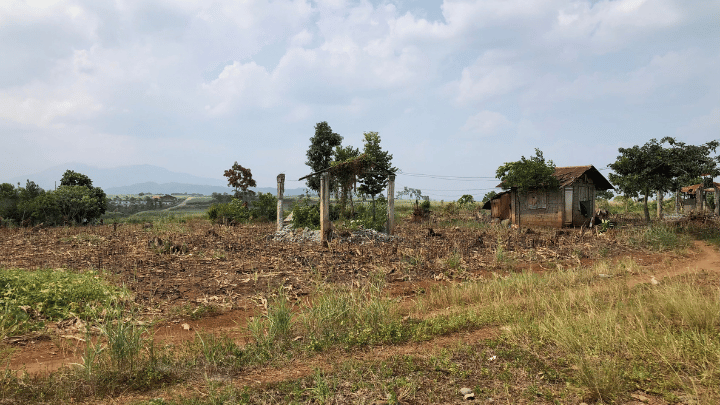
The student pointed to several infrastructure projects that remain incomplete, including facilities intended for the College of International Hospitality and Tourism Management, the College of Criminal Justice Education, and the College of Computer Studies. According to the student, exposed steel bars remain visible in parts of the unfinished structures, posing potential risks to students and staff.
Beyond infrastructure concerns are overcrowded classrooms, inadequate ventilation, and learning spaces cluttered with damaged equipment. “If the current budget is already insufficient to address these problems, a budget cut would make the situation even worse.”
Cuts amid shortages
Student leaders in Southern Tagalog warned that the proposed reduction in the budget of LSPU would affect the university’s ability to address long-standing deficiencies in facilities and student services.
Matt Andrei Miclat, secretary-general of the National Union of Students of the Philippines–Southern Tagalog (NUSP-ST), said that the proposed reduction amounts to more than 15% of LSPU’s previous allocation and places the university among state universities and colleges facing the largest cuts under the proposed national budget.
Miclat added that the reduction contradicts government pronouncements that education remains a priority. He said that many public educational institutions continue to struggle with inadequate classrooms, overcrowding, and insufficient learning resources despite existing allocations.
“Quality education requires a conducive learning environment,” the student who requested anonymity said. “Budget cuts directly affect that.”
Beyond funding
Certain campus policies were deemed restrictive, particularly regulations related to gender expression and appearance. The student cited policies requiring permits for cross-dressing activities on campus and recounted attempts by students to establish an LGBTQIA+ organization that were allegedly not approved.
The university’s haircut policy has also generated controversy.
Last semester, students reported being prevented from entering classes because their hair did not conform to prescribed standards, including the so-called “2×3” haircut requirement for male students.
The student noted that while the student handbook states that haircut and hair color are not academic requirements, questions remain as to why these continue to be used as grounds for restricting access to classes.
“What students are asking for is not simply an explanation of existing policies,” the student said. “They want meaningful participation in reviewing and improving them.”
According to the student, consultations held following complaints about the haircut policy focused largely on reiterating existing rules rather than addressing students’ concerns.
For the student, the issue reflects a broader challenge regarding student participation in decision-making processes. “Student voices should not only be heard. They should also be considered in policy reviews,” the student said.
Military forum
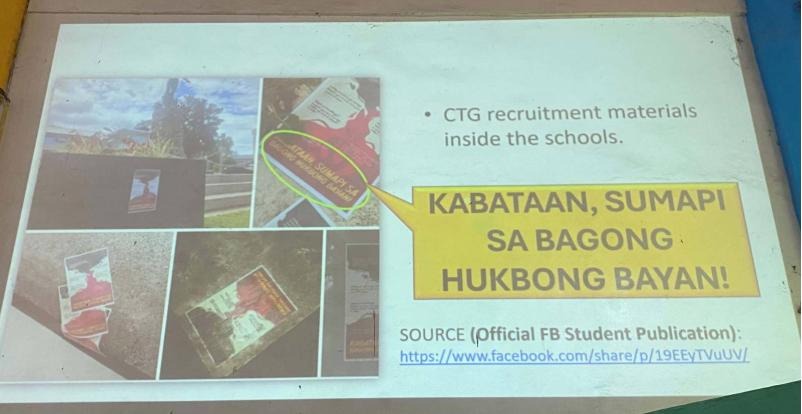
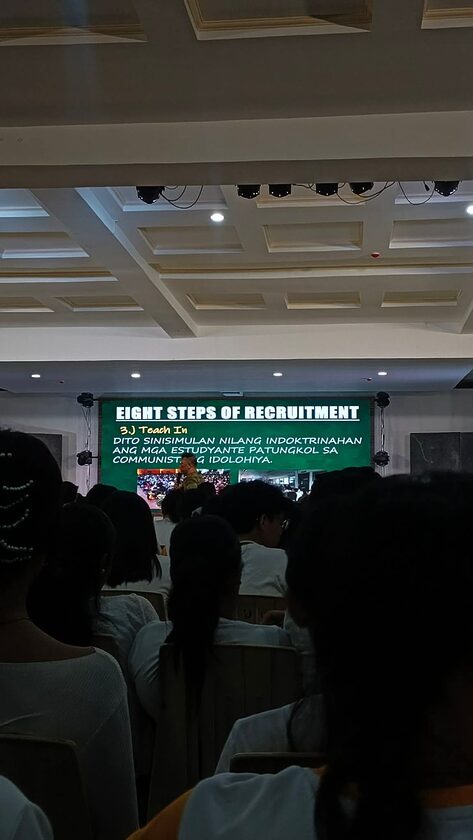
The debate over student rights and participation intensified following reports that personnel from the Armed Forces of the Philippines (AFP), including members of the 59th Infantry Battalion, conducted a forum among National Service Training Program – Reserve Officers’ Training Corps(NSTP-ROTC) students at LSPU’s San Pablo City campus.
Students and youth organizations criticized the forum, alleging that it linked activism and progressive organizations to recruitment into armed revolutionary movements.
The anonymous student said that similar activities happened in previous years. During the student’s first year in ROTC, a lecture on national security reportedly included a presentation by an individual introduced as a former New People’s Army member. According to the student, the discussion included claims about recruitment methods and named progressive organizations.
“What concerns me is that ROTC cadets are students too,” the student said. “They are affected by the same budget shortages, inadequate facilities, and educational problems.”
The student stressed the importance of distinguishing activism from participation in armed movements.
“Organizing, protesting, and expressing opinions are forms of civic participation in a democratic society,” the student said. “Being critical of government policies does not automatically mean involvement in an armed movement.”
Fear, self-censorship
The student said that narratives associating activism with armed conflict can discourage students from speaking out on issues affecting their education and welfare.
“As an activist, there is fear,” the student said. “It becomes more difficult to openly raise issues that directly affect students.”
The student described a growing sense of unease on campus, saying that being publicly identified as an activist can lead to concerns about profiling or monitoring.
Such fears, the student argued, extend beyond activists themselves.
“When students become afraid to speak, organize, or raise concerns, meaningful student participation is weakened,” the student said.
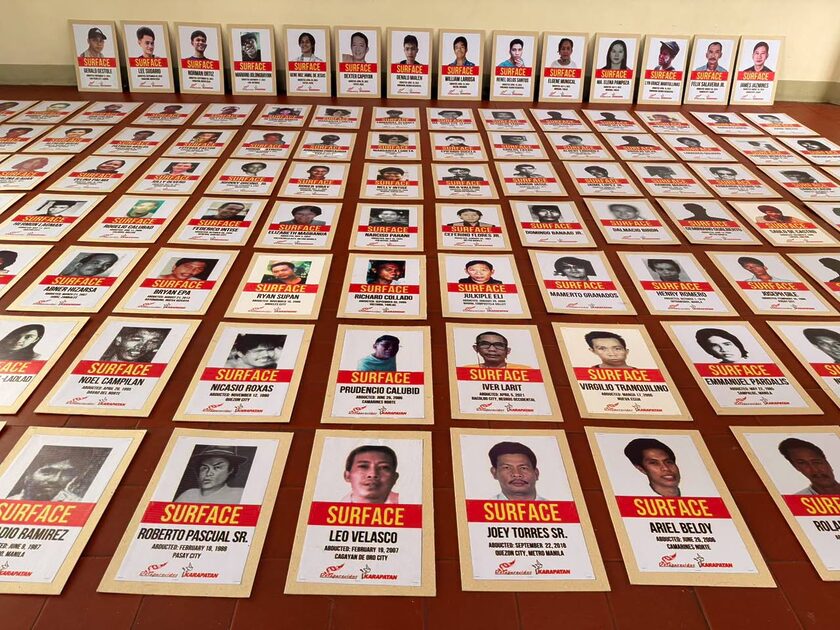
Youth organizations likewise warned that red-tagging (or publicly labeling individuals or organizations as linked to communist insurgents without evidence) creates risks for students, activists, and campus organizations.
Government agencies, including the National Task Force to End Local Communist Armed Conflict (NTF-ELCAC), have repeatedly denied accusations of red-tagging and claimed that their activities are aimed at informing the public about insurgency-related issues.
Support public education
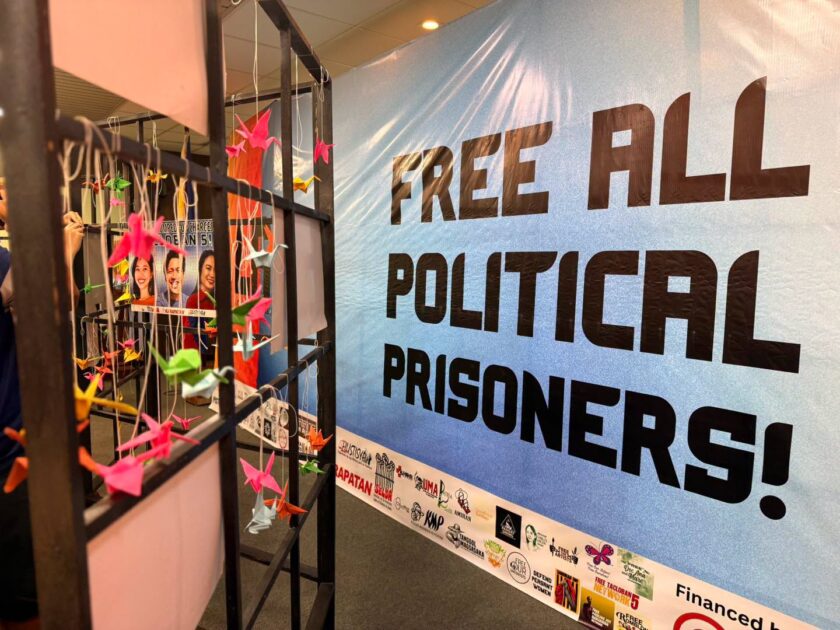
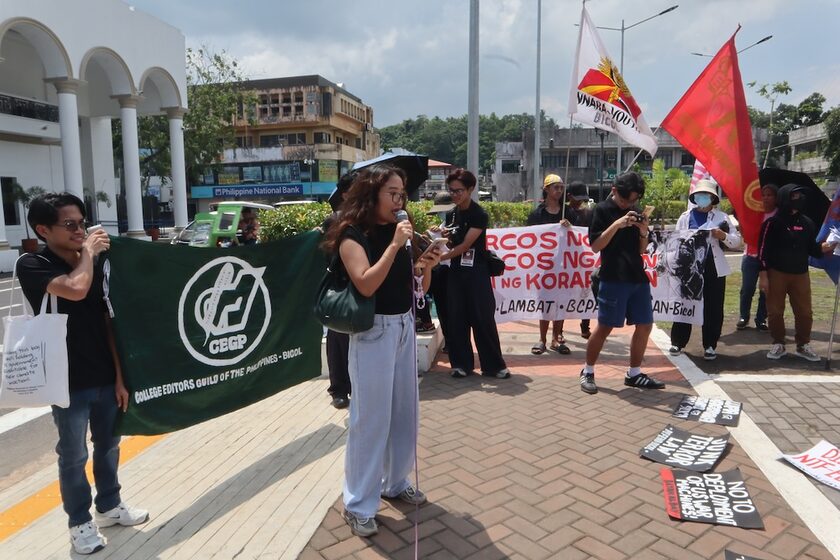
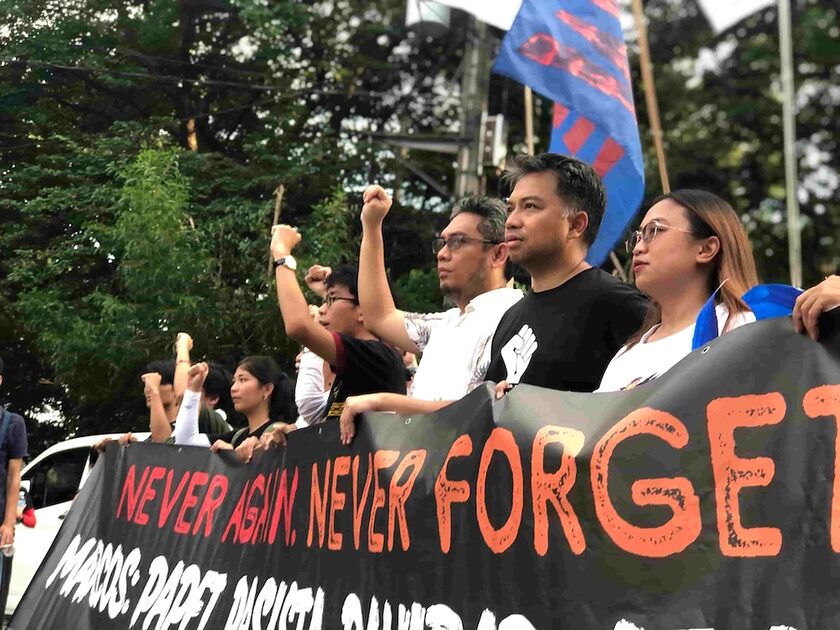
Amid the budget deliberations, students and youth groups continue to call for increased government allocation for public education and for the protection of students’ rights to organize and express their views.
The anonymous student said that the state must demonstrate a stronger commitment to addressing deficiencies in the education sector while ensuring that students can participate in public discussions without fear.
“Students have the right to speak, organize, and raise concerns about issues that affect their lives and education,” the student said.
“Security should not come at the expense of students’ freedom to express themselves, and lack of funding should not become a reason to neglect public education.”
As Congress deliberates on the proposed national budget, students across Southern Tagalog are expected to continue opposing the planned reductions, arguing that the future of public education depends not only on preserving funding but also on safeguarding democratic spaces within schools. (DAA)
 Save as PDF

0 Comments