
“What we are fighting for is engagement and trade grounded in equality, respect for sovereignty, and mutual benefit.”
Ecumenical councils, Christian youth, and Catholic bishops denounce the US-led critical minerals deal and state crackdown ahead of the 49th ASEAN Summit.
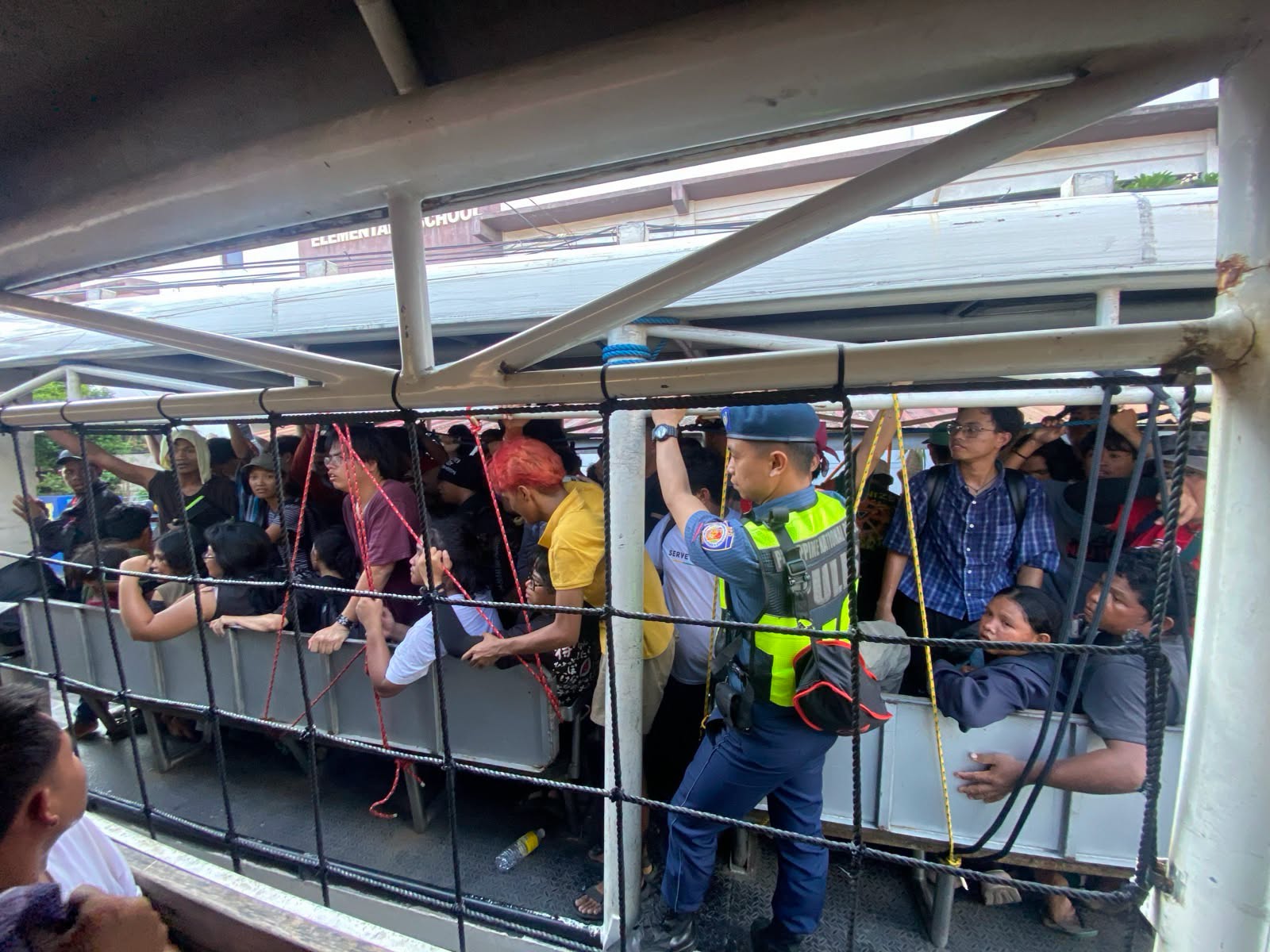
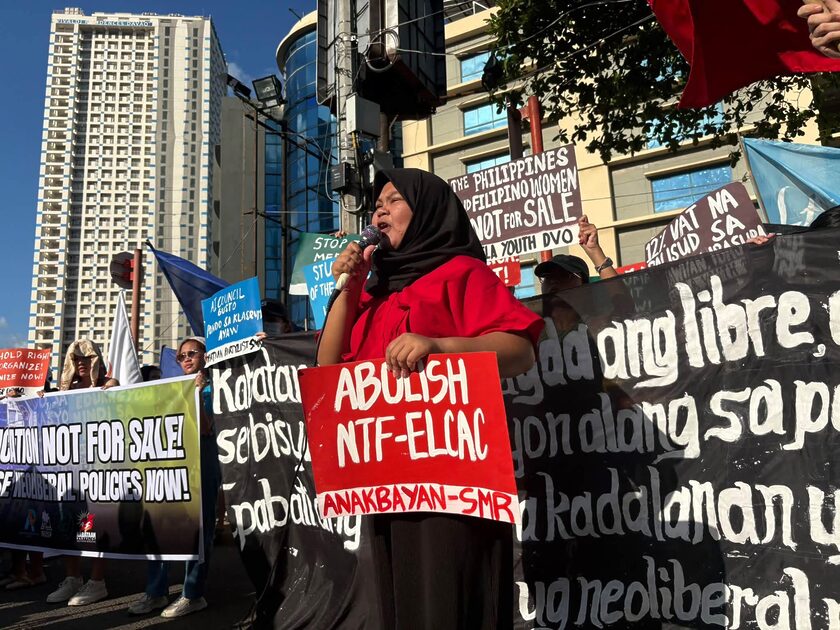
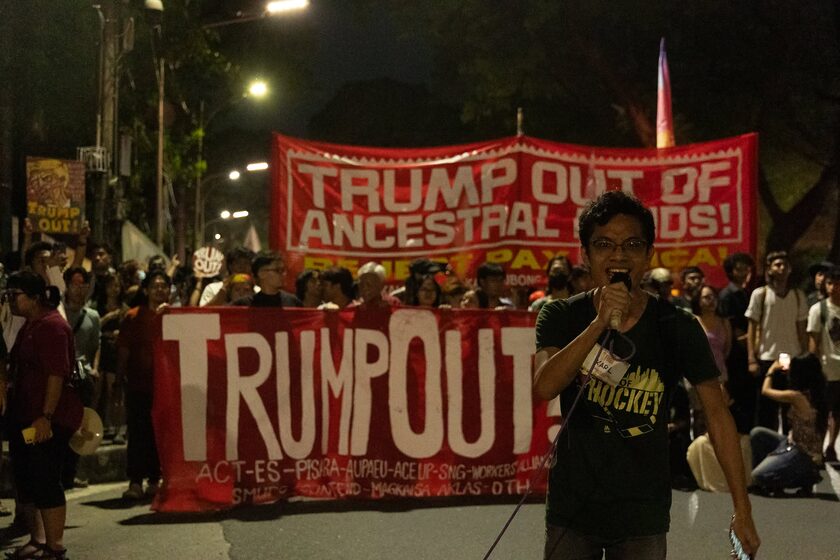
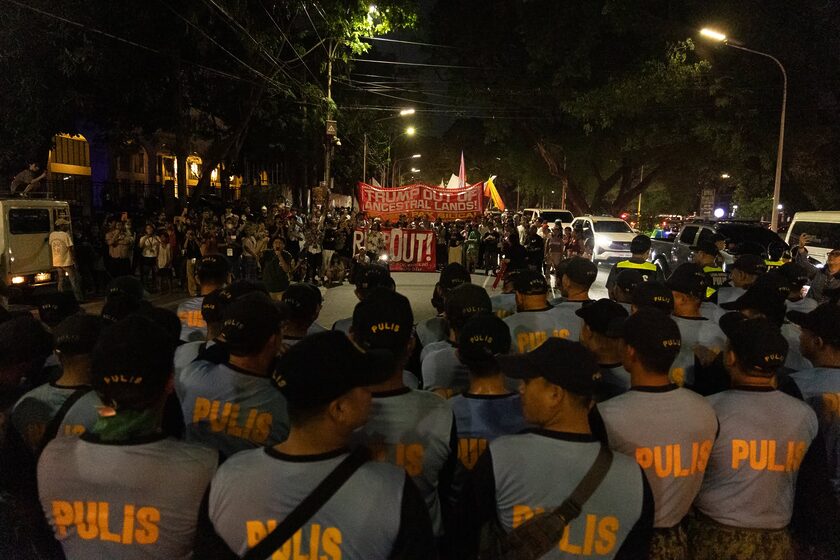
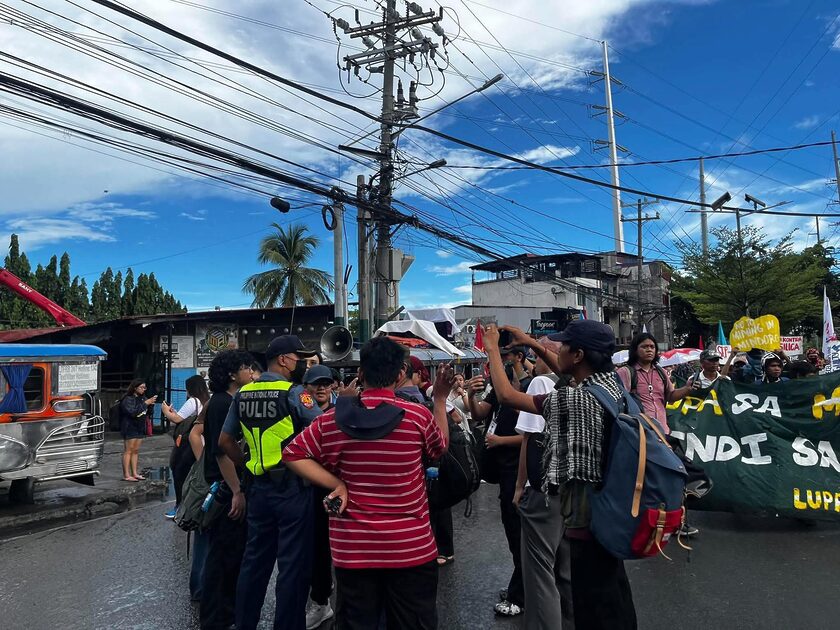
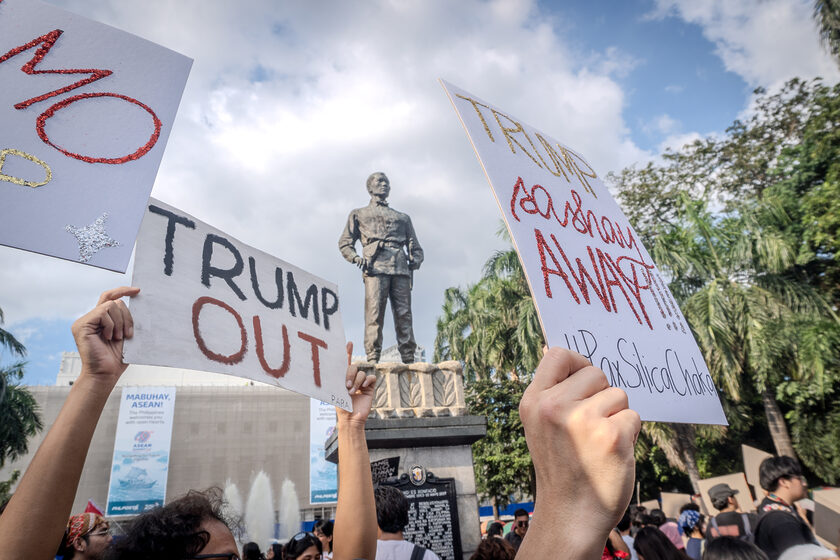
More than 300 protesters were detained at Camp Bagong Diwa of the Philippine National Police in Taguig City following aggressive police dispersals on November 15. Police dispersed the Southern Tagalog Lakbayan protest caravan in Sucat, Parañaque and Muntinlupa while separate clashes happened at Liwasang Bonifacio in Manila.
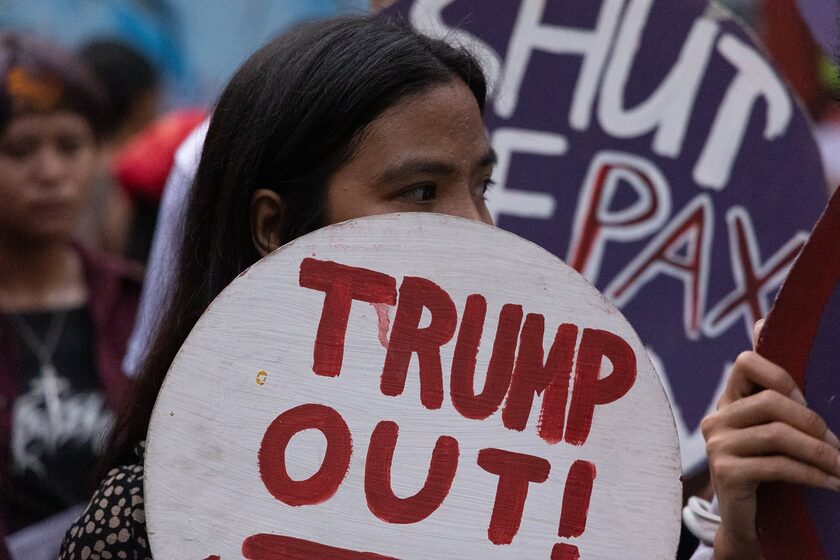
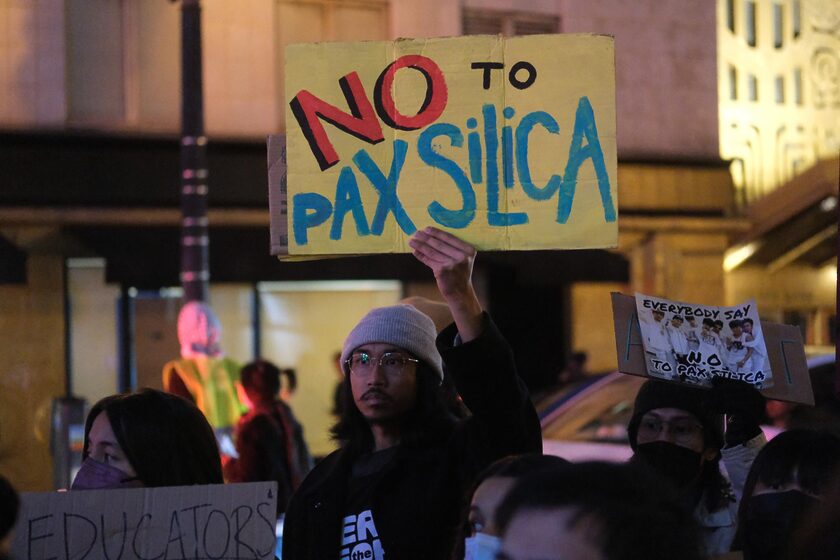
The protests targeted the proposed signing of the Pax Silica framework during US President Donald Trump’s visit to Manila. Meanwhile, Protestant, ecumenical, and Roman Catholic leaders warned that they will sacrifice Philippine sovereignty, ancestral lands, and public utilities to US geopolitical and corporate interests.
In a pastoral statement issued Nov. 12, 2026, the National Council of Churches in the Philippines (NCCP) condemned both the economic terms of Pax Silica and the Marcos Jr. administration’s suppression of constitutionally guaranteed freedoms. “In a display of servility to the US, the government of Pres. Ferdinand Marcos Jr. is rolling out the red carpet, spending billions of pesos on lavish preparations while ordinary Filipinos struggle with poverty, rising prices, and economic hardship. In true ‘Imeldific’ fashion, authorities are clearing Manila’s streets of vendors and urban poor communities to conceal poverty from visiting dignitaries. Worse, they have imposed a ban on protests, suppressing constitutionally guaranteed freedoms.”
Signed by NCCP Chairperson The Most Rev. Brent Harry W. Alawas and General Secretary Minnie Anne Mata-Calub, the statement warned that Pax Silica’s push for critical minerals, semiconductor supply chains and artificial intelligence data centers places the country squarely in the crosshairs of superpower conflict. “More alarming is the prospect of signing the lopsided Pax Silica agreement during Trump’s visit. Designed to secure US access to critical technology supply chains, including artificial intelligence and critical minerals, the agreement places Philippine resources and sovereignty at the service of US strategic interests amid its rivalry with China. Pax Silica threatens to intensify large-scale mining, resource extraction, and data center development, resulting in environmental destruction and the displacement of Indigenous Peoples and farmers.”
Meanwhile, youth leaders from the United Church of Christ in the Philippines—Middle Luzon Jurisdictional Area Christian Youth Fellowship (UCCP MLJA-CYF) echoed this call in a manifesto titled “Kapayapaang Para sa Sangnilikha, Hindi Para sa Imperyalistang Bansa!” and warned that communities in Central Luzon will bear the brunt of the project’s ecological and social costs. “While we recognize the importance of technological and economic development, such progress must never come at the expense of Philippine sovereignty, the welfare of the people, the protection of creation, the rights of Indigenous Peoples on the margins, and peace not only in Luzon but across the entire Philippines… What we are fighting for is engagement and trade grounded in equality, respect for sovereignty, and mutual benefit—not the domination of a few and entanglement in conflicts that should never become the burden of the Filipino people.”
Caritas Philippines president and San Carlos Bishop Gerardo Alminaza said in August that the proposed Tarlac development zone directly threatens Indigenous communities and vital local resources. “The site is not empty land. It is home to Aeta Indigenous families, farmers, and rural communities whose rights and livelihoods must come before corporate and geopolitical interests. Pax Silica must not become another pretext for land conversion, displacement, destructive mining, or the diversion of electricity and water away from public needs.”
Catholic Bishops’ Conference of the Philippines (CBCP) President Cardinal Pablo Virgilio David urged authorities to prove that the project serves ordinary citizens rather than foreign strategic agendas. “The real question is whether it will help build what Pope Leo calls a civilization of love rather than a culture of power—a future in which technological progress serves human dignity, social fraternity, care for our common home, and peace among nations.”
Seven bishops of the Ecumenical Bishops Forum (EBF) issued a joint pastoral statement warning that Pax Silica undermines human dignity, workers’ rights, and national sovereignty. The forum includes the UCCP, Iglesia Filipina Independiente, United Methodist Church, Episcopal Church in the Philippines, and Roman Catholic Bishop Emeritus Deogracias Iñiguez Jr.
Bayombong Bishop Jose Elmer Mangalinao urged citizens to actively oppose the Capas hub due to its links to large-scale mining and environmental destruction. Meanwhile, the Catholic Educational Association of the Philippines (CEAP) and Church People-Workers Solidarity (CWS) pressed for full public disclosure and a transparent national dialogue on the agreement’s impact on workers and communities.
As progressive networks including the Promotion of Church People’s Response (PCPR) and the Student Christian Movement of the Philippines (SCMP) continue to mobilize rapid-response relief and vigils for those jailed in Taguig, faith advocates maintain that standing with displaced farmers, workers, and detained protesters remains central to their prophetic witness. (DAA)
 Save as PDF

0 Comments