
Funds for the construction of new buildings, as well as for the maintenance of existing ones, are supposed to come from the capital outlay (CO) allocation from UP’s yearly budget. In the recent years, however, the government has slowly reduced CO allocations for state universities and colleges, especially for UP. In 2006, for example, UP’s capital outlay was reduced from P216 million ($4,712,041) in the previous year to P90 million ($1,963,350).
Yet, these new buildings seem to contain, even conceal, issues that have long been hounding its residents. UP resorts to generating its own income in the form of fee increases, like the recently implemented 300 percent tuition increase across the UP system, and encouragement of investments, which are now being revealed to the UP community as commercial tie-ups with private entities.
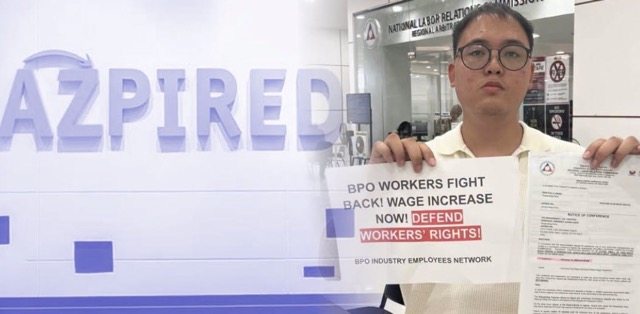
The UP Science & Technology (S&T) park, supposedly aimed at enriching and updating the research aptitude of the university, will, by the end of this year, house a call center. The UP administration, of course, is quick to wash its hands, saying the deal was between Ayala Land Inc., the S&T park’s contractor, and the call center company.
Modernization for the UP administration, however, would only go as far as the architecture of the newly-constructed buildings. “Makikipagtie-up na naman [ang UP] sa private companies para [may] ipambili ng bagong equipment,” (UP will again enter into tie-ups with private companies to be able to buy new equipments.) said Shahana Abdulwahid, University Student Council chair.
Faculty salary, meanwhile, remains indecently low, compelling a significant number of the university’s professors to move out in search of higher-paying jobs. Right now, the UP administration is lobbying for the passage of a revised UP Charter which, among other things, removes UP from the coverage of the Salary Standardization Law (SSL). The SSL prescribes fixed salary levels for all government employees.
According to Prof. Judy Taguiwalo, president of the All-UP Academic Employees Union, “Saan ngayon kukunin ‘yung ipampupuno doon sa gap between the SSL at sa [magiging]new salary scheme? [Sa] commercialization na naman.” (Where will they get the additional funds for the new salary scheme? From commercialization again.)
A recent policy of “No ID, No Entry” in most of UP’s buildings also restricts the access, both of members and non-members of the UP community, to these new constructions. “Public university ito, nanggagaling ang pondo natin sa mga tao, bakit mo sila pipigilang makapasok [dito]?” (This is a public university. Its funds come from the people, why should you bar them from entering?) Abdulwahid added.
The original idea of architecture for “progressive people,” in effect, has lost its meaning in the UP administration’s twisted concept of modernization. Ultimately, modernization in UP remains superficial, simply limited to the administration’s idea of a modern architectural style, and the construction of new buildings only brings to the fore its many incapacities. Philippine Collegian/ Posted by Bulatlat
 Save as PDF





0 Comments