
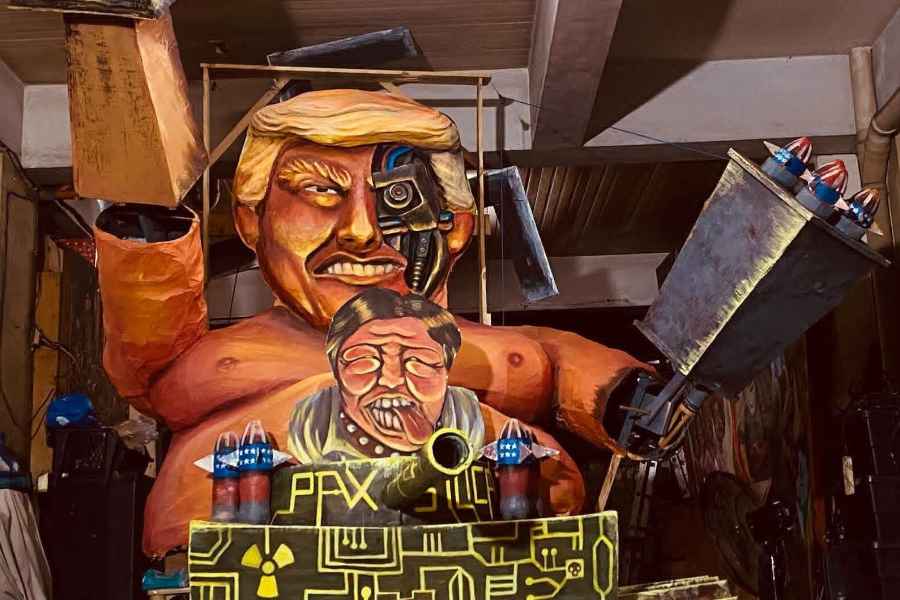
Throughout history, the burning of effigies was never shown to be with intent to injure another, but rather consistently presented as a form of expression and indignation.
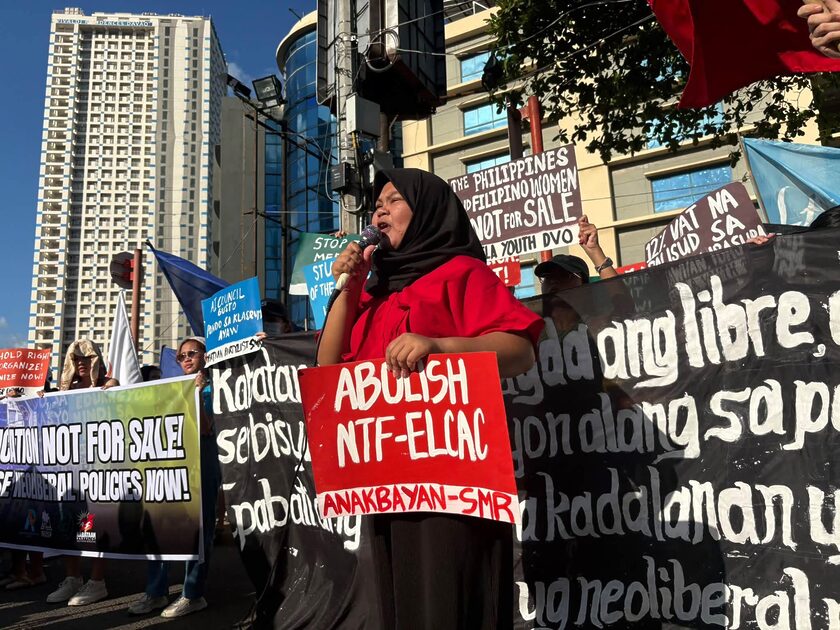
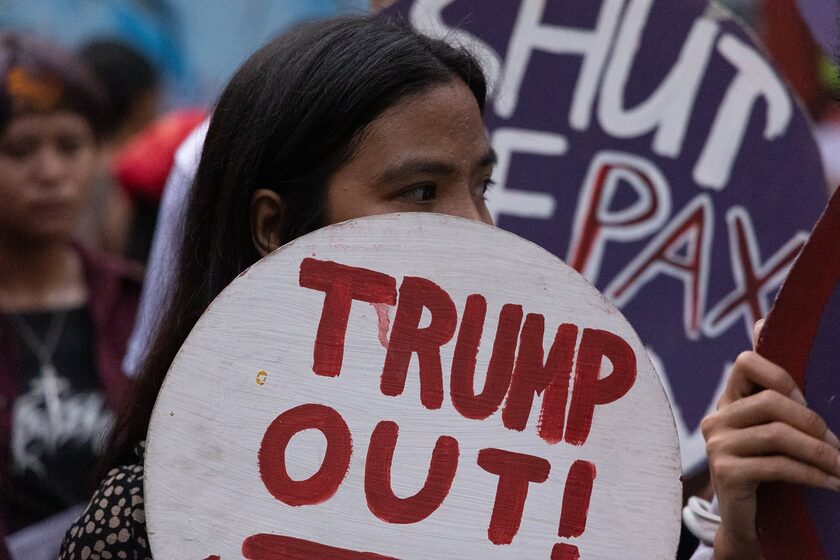
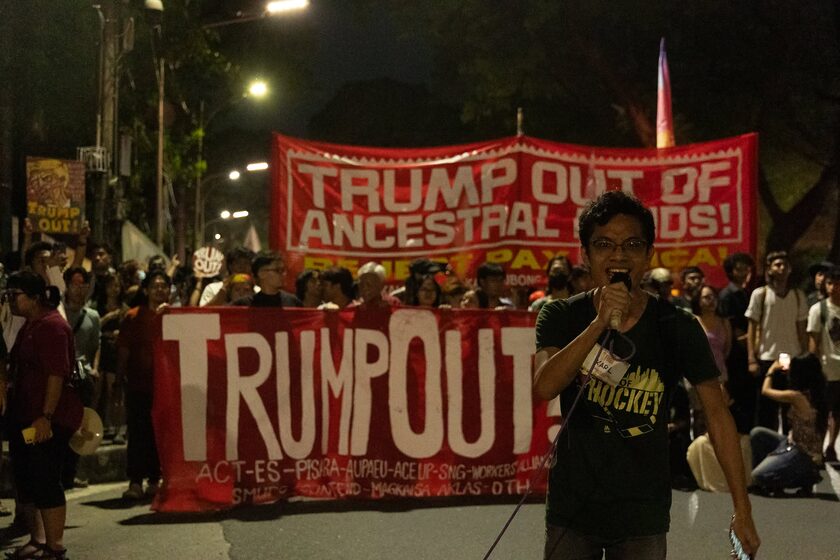
Filipinos using effigies to depict resistance and protest is said to have originated from the higantes of Angono, Rizal as a way to mock abusive hacenderos in the late Spanish colonial period. Decades later, Filipino activists have kept the tradition alive across multiple administrations, but not without opposition.
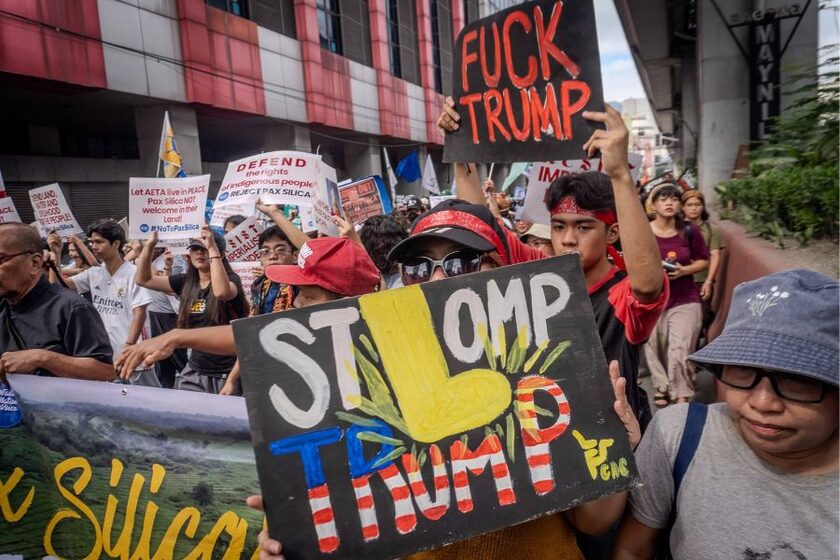
The Philippine National Police (PNP) often releases warnings against burning effigies ahead of protests, claiming that burning protest materials would violate either the Republic Act No. 8749 (Clean Air Act) or Batas Pambansa No. 880 (Public Assembly Act). Just yesterday, Cebu activists were accused by the local police of violating the law when they set an effigy on fire.
But does burning effigies really violate the law?
The PNP has cited Section 20 of the Philippine Clean Air Act which bans incineration of “municipal, biomedical, and hazardous waste” as the basis of their warning, stating that burning effigies would pollute the air.
A plain reading of the law would show that the ban on incineration does not prohibit all types of burning but instead specifically prohibits the burning of “waste”. While the Clean Air Act itself does not define “waste”, Section 3(kk) of R.A. 9003 or the Solid Waste Management Act defines “solid waste” as “all discarded household, commercial waste, non-hazardous institutional and industrial waste, street sweepings, construction debris, agricultural waste, and other non-hazardous/non-toxic solid waste.”
By plain definition, effigies cannot be categorized as “waste” as they are not “discarded” materials but rather art forms created for a specific purpose. The Supreme Court clarified this in MMDA v. Jancom (2002) where it held that Section 20 of the Philippine Clean Air Act does not absolutely prohibit incineration. It prohibits only burning processes involving municipal, biomedical, or hazardous wastes that emit poisonous and toxic fumes. This means that even in the absurd scenario where effigies are considered as “waste” materials, burning of the same would still not be considered a violation of the Philippine Clean Air Act.
“Poisonous and toxic fumes” are defined by Section 5(t) of the Clean Air Act as “any emissions and fumes which are beyond internationally-accepted standards, including but not limited to the World Health Organization (WHO) guideline values.”
This shows that without proof that the burning of effigies during protests would result in emissions of fumes “beyond internationally-accepted standards,” burning of effigies does not automatically violate the Philippine Clean Air Act.
Another law commonly cited by the PNP is Section 13(g)(3) of the Public Assembly Act which prohibits the “malicious burning of any object in the streets or thoroughfares”. The Supreme Court in Villareal v. People (2012) has defined “malice” or “malicious” as the deliberate, wrongful, or evil intent to injure another, or an act done with criminal indifference to another’s rights and without legal justification.
In other words, the intent or reason for the burning matters. Throughout history, the burning of effigies was never shown to be with intent to injure another, but rather consistently presented as a form of expression and indignation.
Ultimately, no law directly prohibits the burning of effigies. The PNP should stop distracting everyone from the issues brought to light by setting fire to art. At the end of the day, the government should address the message itself rather than fixate on how it was delivered – perhaps then we can return to calmly submitting position papers. (DAA)
 Save as PDF

0 Comments