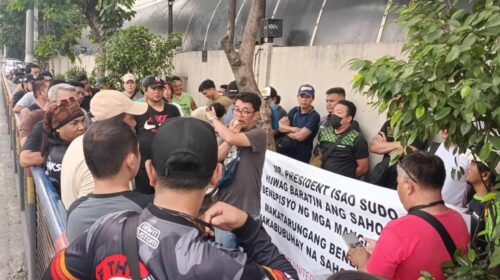
Displaced Marawi survivors still long for justice
"It feels as though we have been permanently driven out of Marawi."

"It feels as though we have been permanently driven out of Marawi."
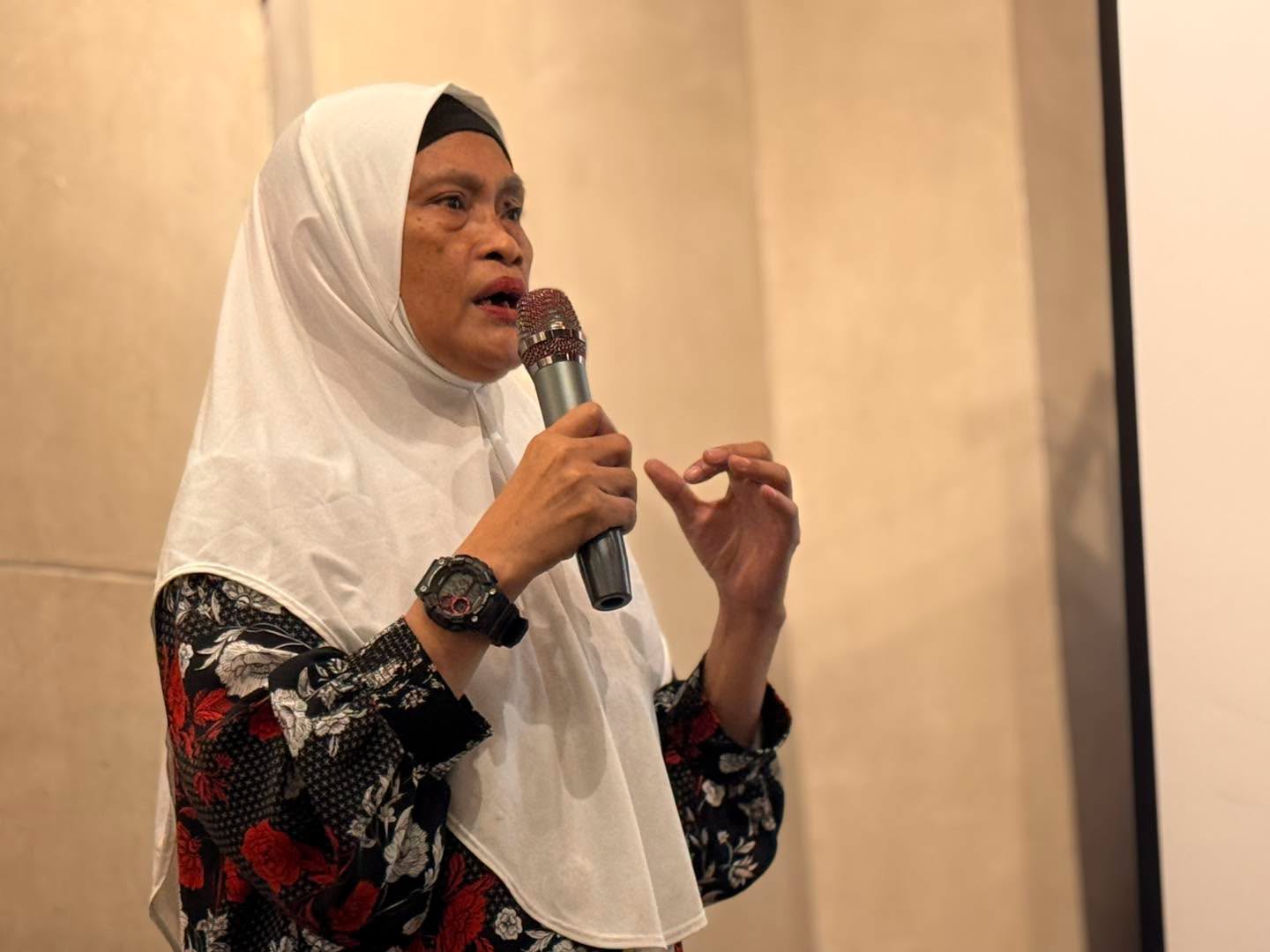
“We want to convey through this walkout that the youth should continue to intervene and be consistent in their protests against corruption.”
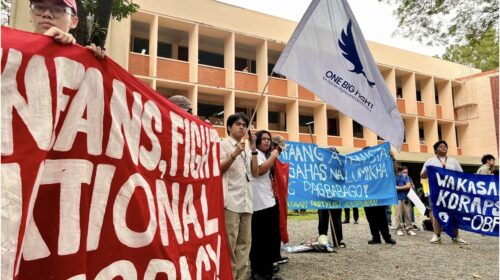
The tribunal will preserve evidence as reference for future legal actions as well as contribute to broader movement beyond traditional advocacy work to immediately stop the genocide and the ultimate liberation of the Palestinian people.
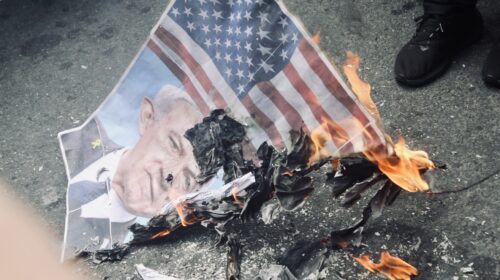
This burial will not be a simple act of protocol but an effort to confer honor on a former Defense Minister whose role in the machinery of martial rule cannot be separated from its atrocities, repression, and plunder.
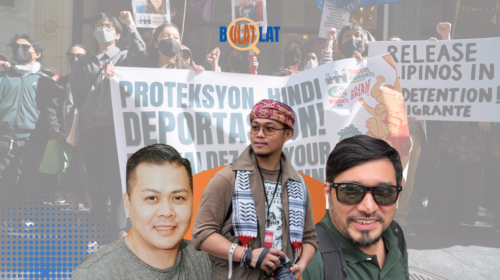
Filipino families who have been affected by immigration policies have relentlessly contacted the Philippine Consulate and Embassy only to be met with red tape and slow bureaucracy.
Tinig ng Plaridel condemned the police’s “brazen assault on campus press freedom,” saying the incident revealed the regime’s desperation to stifle critical coverage amid growing public outrage over corruption scandals.
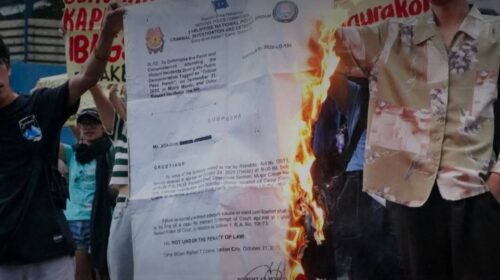
There should be a genuine public audit, full disclosure of documents, and cases filed against corrupt officials, including those in Malacañang and Congress.
“No one should be punished or humiliated for who they are or whom they love.”
“Bayan calls for widespread, bigger, and bolder protests to pursue accountability and push for the ouster of Marcos and Duterte,”
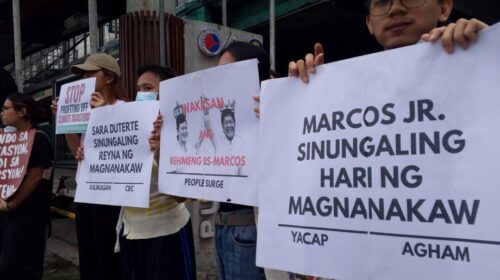
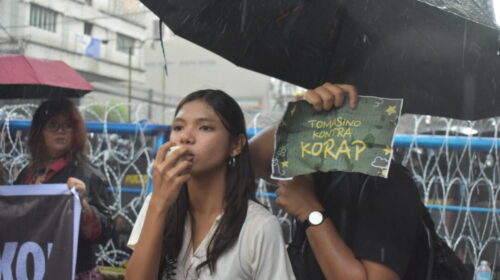
“Despite the fear that the state wants to instill on us, they just proved that protesting against corruption is just and the right thing to do,” Raven Racelis said.
Recalling the difficulties that she had to go through and the patience she had to muster with the slow judicial process in the Philippines, especially when state forces are involved, Glenda could only hope for a right and just decision.
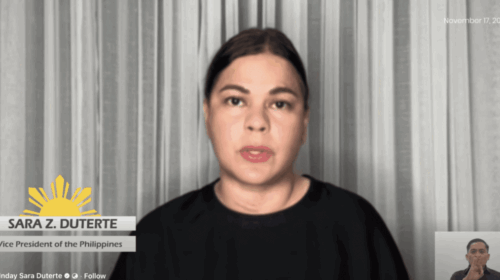
Sumailalim din sa matinding pagbusisi ang OVP matapos nitong gastusin ang P125 milyong confidential funds sa loob lamang ng 11 araw noong 2022. Ang pondong ito ay ipinasa sa tanggapan ni VP Duterte mismo mula sa opisina ni Marcos.
“In our filing of the charges, we register that the government should be accountable, along with its agents and institutions, who violate our human rights.”
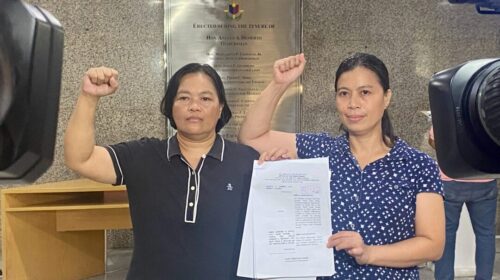
The NUPL viewed the Anti-Terrorism Act and the Terrorism Financing Prevention and Suppression Act as laws “to punish those who stand with [the people],” recounting many cases of human rights workers who had been slapped with these cases to silence them.
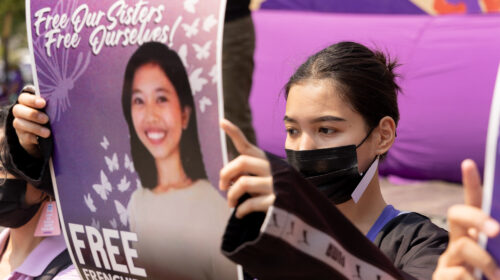
“There is still a lot of underreporting and we still need a lot to talk to in order to expand information dissemination and awareness raising, and ensure that those who report will not experience victim blaming.”

“There might be an Assumption of Jurisdiction order from Labor Secretary Laguesma, but we will continue to fight until we fully achieve our benefits, just wages, and the return to work of our seven fellow unionists that were illegally dismissed by the company.”