Tabaco fisherfolk decries toxic waste
"We can't stop fishing because that's where we make a living."

ADVERTISEMENT
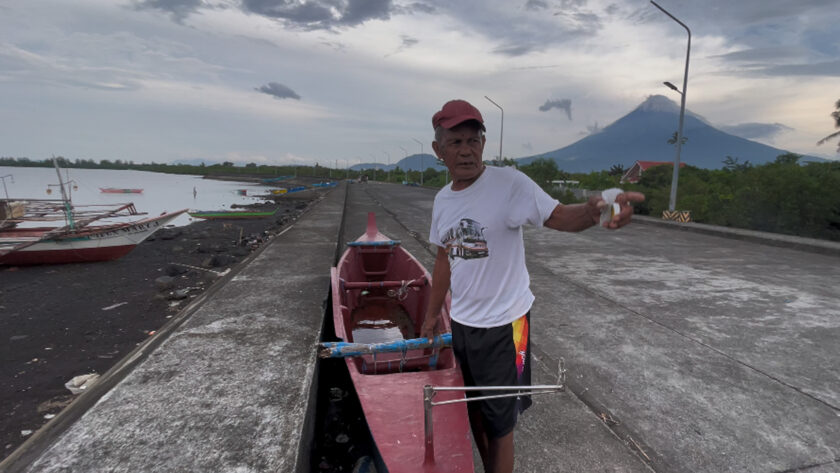
"We can't stop fishing because that's where we make a living."
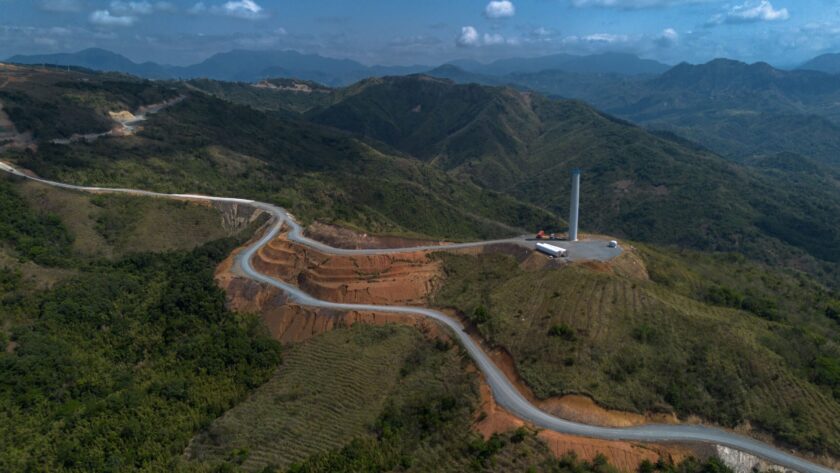
From the island and mountains of Rizal to the watershed of Samar Island, wind energy projects are being built on the forests that protect communities from floods and landslides.
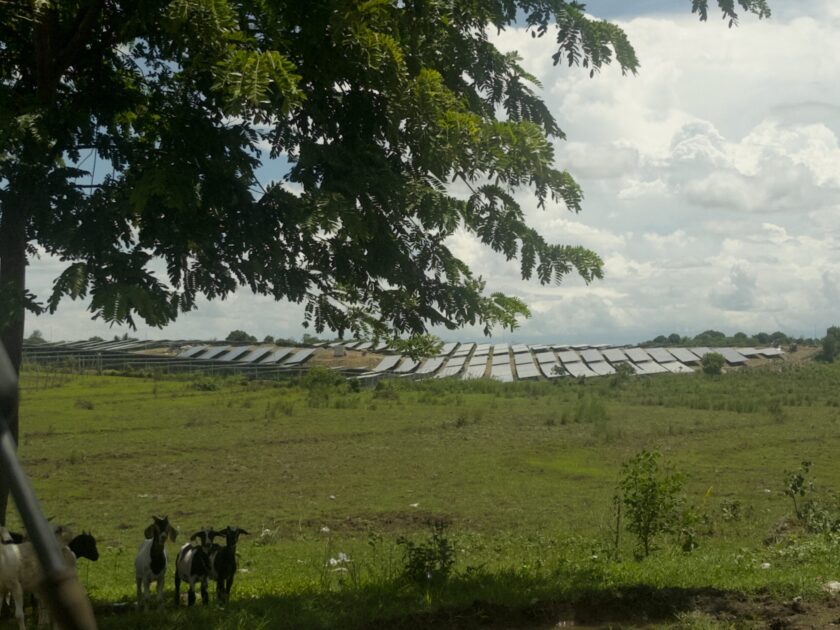
Aside from being displaced from their lands, farmers were subjected to intimidation from private armies, harassment, and fabricated charges.
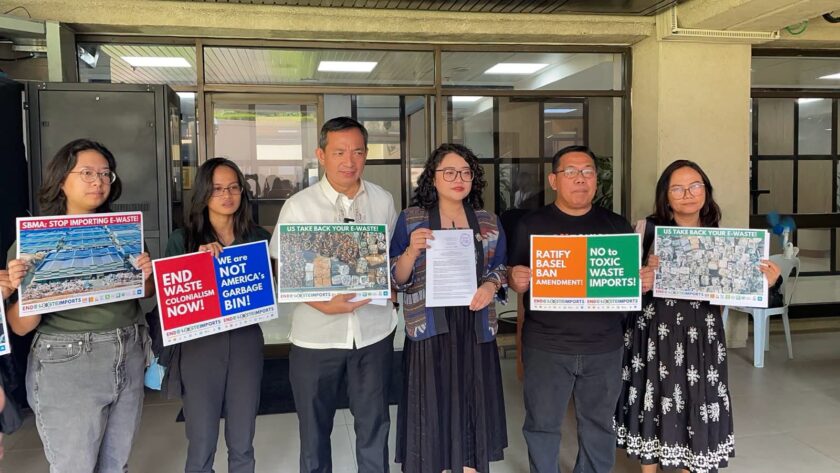
Dumping hazardous waste of developed countries like the US signifies “shifting their own waste burdens to countries” like the Philippines.
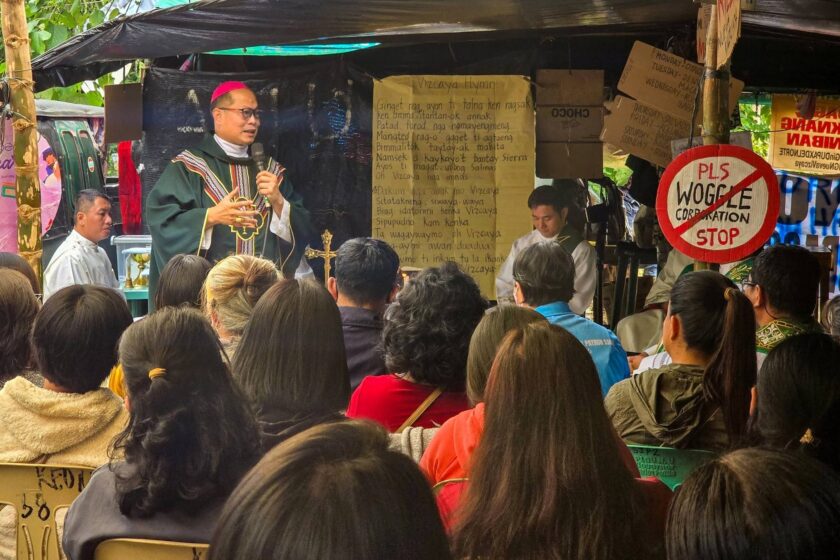
"As Bishop of this Diocese, I carry the responsibility given to me at ordination to stand with the poor."
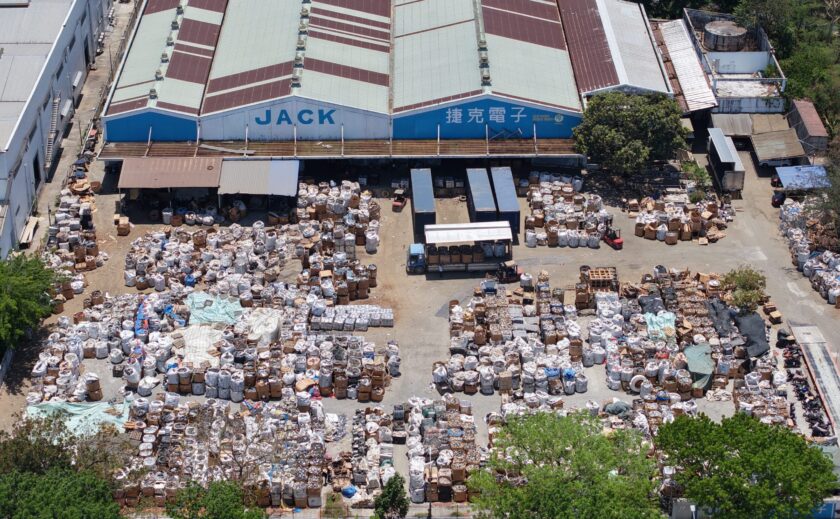
"The worst kind of trash is the government that surrenders Philippine sovereignty. They can't even manage their own waste, yet why do they accept waste from foreigners?”

While the island’s economy relies heavily on its famous white-sand beaches and natural attractions, locals and conservation advocates worry that unmanaged tourism growth could lead to environmental degradation.

"This is the time to look into what the government owes the people of Mindanao after years of warnings, repeated tragedies, and missed opportunities to center human rights in governance and public service."
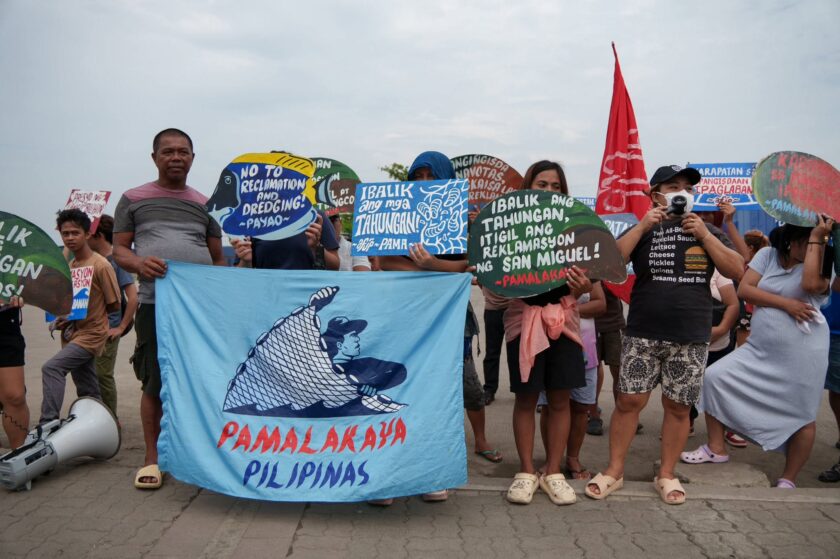
Pamalakaya said there are several reclamation projects that continue to move forward despite the government’s announced suspension on reclamation activities in 2023.

From an ecosystem service and climate mitigation perspective, mature trees cannot be treated as equivalent to newly planted seedlings.

"Unlike industrial polluters and corrupt politicians, the Greenpeace activists inflicted no harm to the planet, people, and wildlife with their peaceful, non-violent action.”

The organization condemned the detention and called for the immediate release of the activists, saying communities across Southeast Asia continue to suffer from landfill collapses, toxic fires, polluted air, and plastic pollution linked to unsustainable waste systems and fossil fuel dependence.
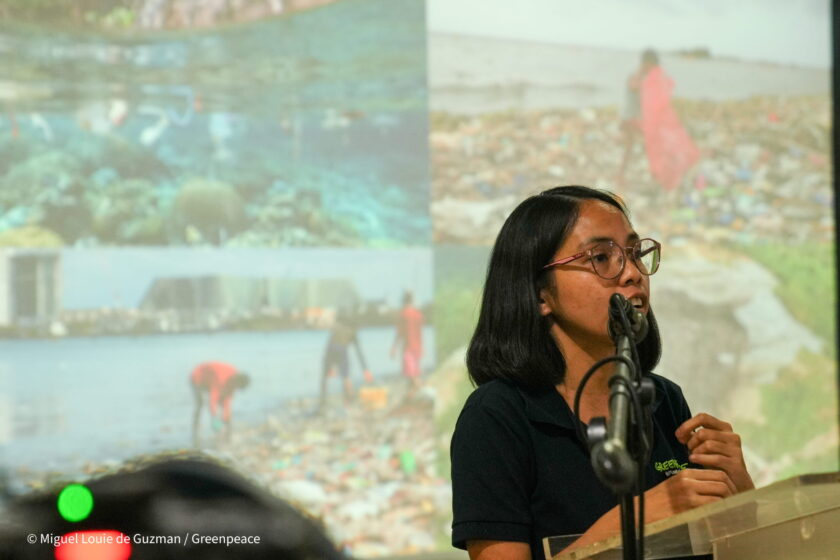
Jorge Emmanuel, a chemical engineer, cautioned that all waste-to-energy (WTE) technologies emit toxic substances, making them a questionable solution.

Experts and citizens continue to express concern over the resumption of the Binaliw landfill, citing unresolved issues that remain unaddressed by Prime Waste Solutions.

“Placing ancestral domain administration under the DENR will only fast-track corporate access to indigenous territories — streamlining plunder, not stopping it."

“We followed their procedures but they backed down. This is long overdue."

The report highlighted how BACIWA - National Federation of Labor Unions (NAFLU) denounced the illegal termination of over 59 employees, alongside residents’ complaints that the water they were getting was “dark, smelly, and contaminated.”

A big part of Belen’s recovery was her positive attitude and her determination to move forward.

Cordillera’s rich natural resources have attracted local and international companies eager to profit from them. But for the Indigenous Peoples of the region, everything is interconnected. The destruction of their land means the destruction of their life, culture, and identity. Their resistance to so-called development projects has spanned many decades.

They committed to holding a prayer every first Saturday of the month to pray for justice for the victims amid all the calamities that hit the province.
A community of readers and supporters that help us sustain our operations through microdonations for as low as $1.