Farmers say Marcos Jr. policies worsened the food crisis
Kilusang Magbubukid ng Pilipinas noted that the food inflation alone has accelerated from 6.1 percent to 6.5 percent, calling the slight overall decrease as “negligible.”

ADVERTISEMENT

Kilusang Magbubukid ng Pilipinas noted that the food inflation alone has accelerated from 6.1 percent to 6.5 percent, calling the slight overall decrease as “negligible.”

“We are justified in opposing high rice prices that burden consumers and even farmers who cannot afford it anymore. The public must strongly oppose and protest against exorbitant rice and food prices. However, Marcos Jr’s price ceiling and other palliative measures do not explain why rice is expensive in the country, and more importantly, none of these address the most basic problems of rice farmers."

"While we are importing sugar in record volume, prices of sugar went up by at least 80 percent under Marcos Jr."

"Fisherfolks are all for development, but they hope such development would not sideline them and only benefit a few. Why not develop and nurture the fishing industry instead?"

Citing data from the Philippine Statistics Authority (PSA), the group said that in the second quarter of 2022, Palawan and Oriental Mindoro contributed 86.79 percent and 2.57 percent to the total regional fisheries production, respectively. This translates to 59,895.53 metric tons in the local fisheries production.

"Private companies always come after big profit margins. Under LRMC's contract, the government will pay once the corporation is not able to charge a fare hike. This is unclear and anti-people," said Bayan.

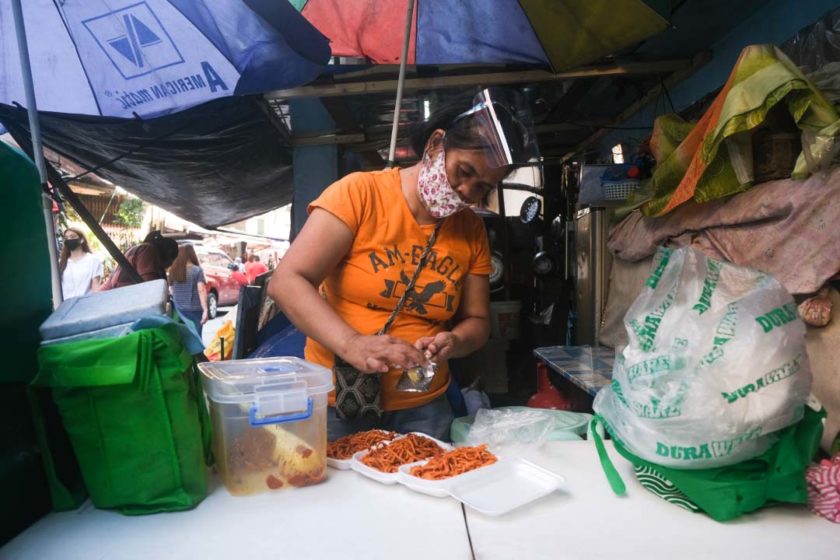
There seems to be no end in sight just yet for the increasing food prices in the Philippines, with the country’s poor bearing the brunt of it.

The call comes from concerns of “possible bankruptcy of 4,584 sugarcane planters [and] less work for more than 10,000 sugarcane field workers."

A group of Filipino farmers asked Ferdinand Marcos Jr. to remove the value-added tax on oil to provide immediate relief to poor families as prices surge anew.

One of the legacies of the Marcos Sr. dictatorship is how it blatantly used the state and bureaucracy to plunder the economy and enrich itself and its favored elite, including foreign interests. Marcos. Jr., with his economic blueprint, is setting the stage to do the same.

"The supervening event of a very high inflation is enough reason to raise the wages of workers, salaries of employees and livelihoods of [Filipinos]."

When asked about the country’s inflation rate, Jemelie Polinar, a mother of three, let out a sigh as she picked the freshest yet cheapest squash. “To be honest, I don’t know anything about those numbers. What I know is that the poorest of the poor are suffering the most. This is our daily reality, from the increased transportation costs to the food we need.”

“We used to be able to buy mangoes by the sacks. But now, we just buy (a few kilos) because of the high prices.”

Farm workers are calling for higher wages as they battle every day to put food on the table.

"What follows the food crisis will be the worsening hunger of the people.”

“What good are farm-to-market roads if they do not have anything to transport? Agriculture and fisheries productivity has worsened due to continuous hikes in production costs."

"It's not just because of the Duterte administration, it's because of decades of accumulating policies which started during the Marcos dictatorship."
The “Tax Reform Act for the Masses and the Middle Class," seeks to exempt those making P33,333 ($590) monthly or less from paying income tax. It is also looking into providing tax breaks for families of persons with disabilities, those caring for elderly parents or relatives, and those with children.

Dev't groups say Filipinos are seeking tangible solutions, looking at the upcoming election as a turning point for democracy and development.

"The next administration must do away with previous and existing neoliberal policies that wreaked havoc on our agriculture and productive forces.”
A community of readers and supporters that help us sustain our operations through microdonations for as low as $1.