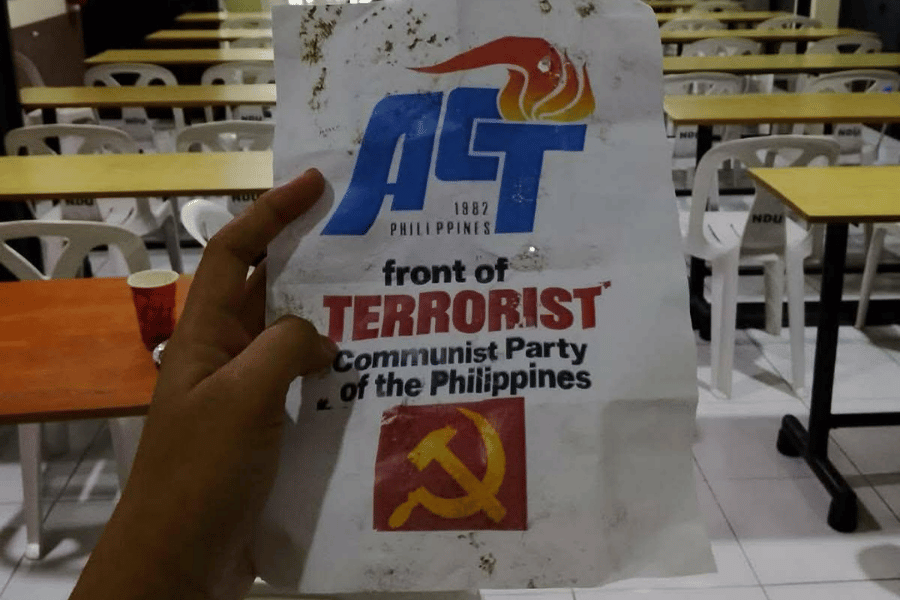
Teachers’ alliance decries red-tagging incident in Davao City
ACT Davao Region called on the government to adhere to the theme for this year’s National Teachers’ Month: “Teacher, ikaw naman."

ACT Davao Region called on the government to adhere to the theme for this year’s National Teachers’ Month: “Teacher, ikaw naman."
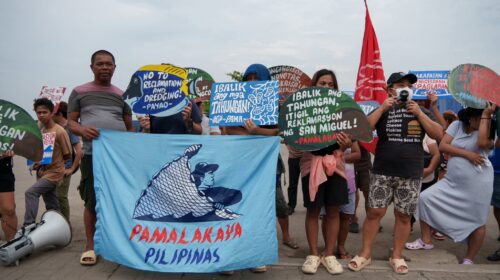
Pamalakaya said there are several reclamation projects that continue to move forward despite the government’s announced suspension on reclamation activities in 2023.
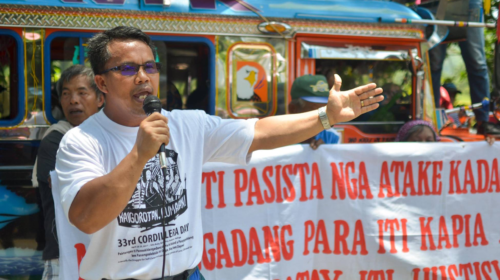
In her decision, Adobe-Cabuag said that Bolinget was able to satisfactorily prove, “by preponderance of evidence, his entitlement for damages.”
“What matters is making sure local communities get their rightful share and that our seas continue to provide, not just for today, but for the years ahead.”

“As long as there are trans people being killed, young gay people rejected by their families, or gay workers being denied promotion because of their gender, Pride will remain a protest."
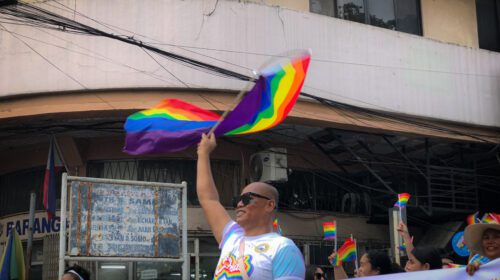
Noblefranca said that the healthcare system is affected by the stigma associated with trans healthcare, aside from medical inaccessibility, the societal prejudice embedded within institutions must be taken into account.

Creative and performance spaces like drag also become avenues for trans people to safely explore and affirm gender identity.

“Only through collective struggle can workers break free from the chains of oppression."

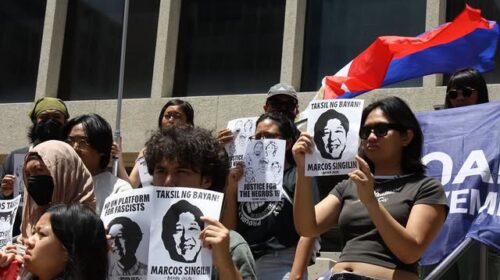
“Marcos is an embarrassment to the Filipino people, a traitor to us."
FACT’s weaponization of social media to explicitly name organizations and…individuals is a well rehearsed counterinsurgency tactic of the Philippine government.

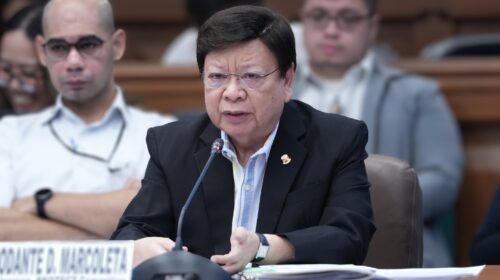
The senator’s attack is an attempt to undermine the public’s trust in the media amid the coverage of the continuing chaos in the Senate.
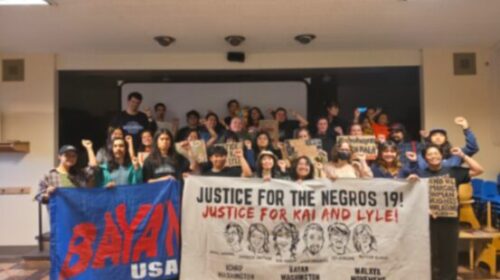
Overseas Filipino grassroots organizations launched the “Defend Negros” campaign in response to the Armed Forces of the Philippines’ (AFP) operation in Toboso, Negros Occidental that left 19 people dead on April 19, 2026.
“Marcos Jr. regime has lost a platform for its brazen hypocrisy on the Philippines’ dirt-and-grime human rights record."

Networks of alternative news outfits and development workers expressed alarm over the swift development of a proposed measure seeking to penalize the spreading of false information.

Cayetano should be replaced to break the impasse.
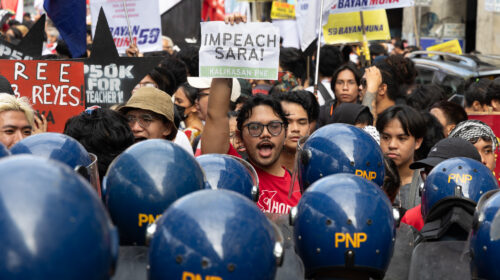
“Good governance and politics of change are part of the peace talks. This should compel them to go back to the negotiating panel."